Acne & Oily Skin
February 3, 2026
To Patch or Not to Patch: The Pimple Dilemma Unpopped vs. Popped

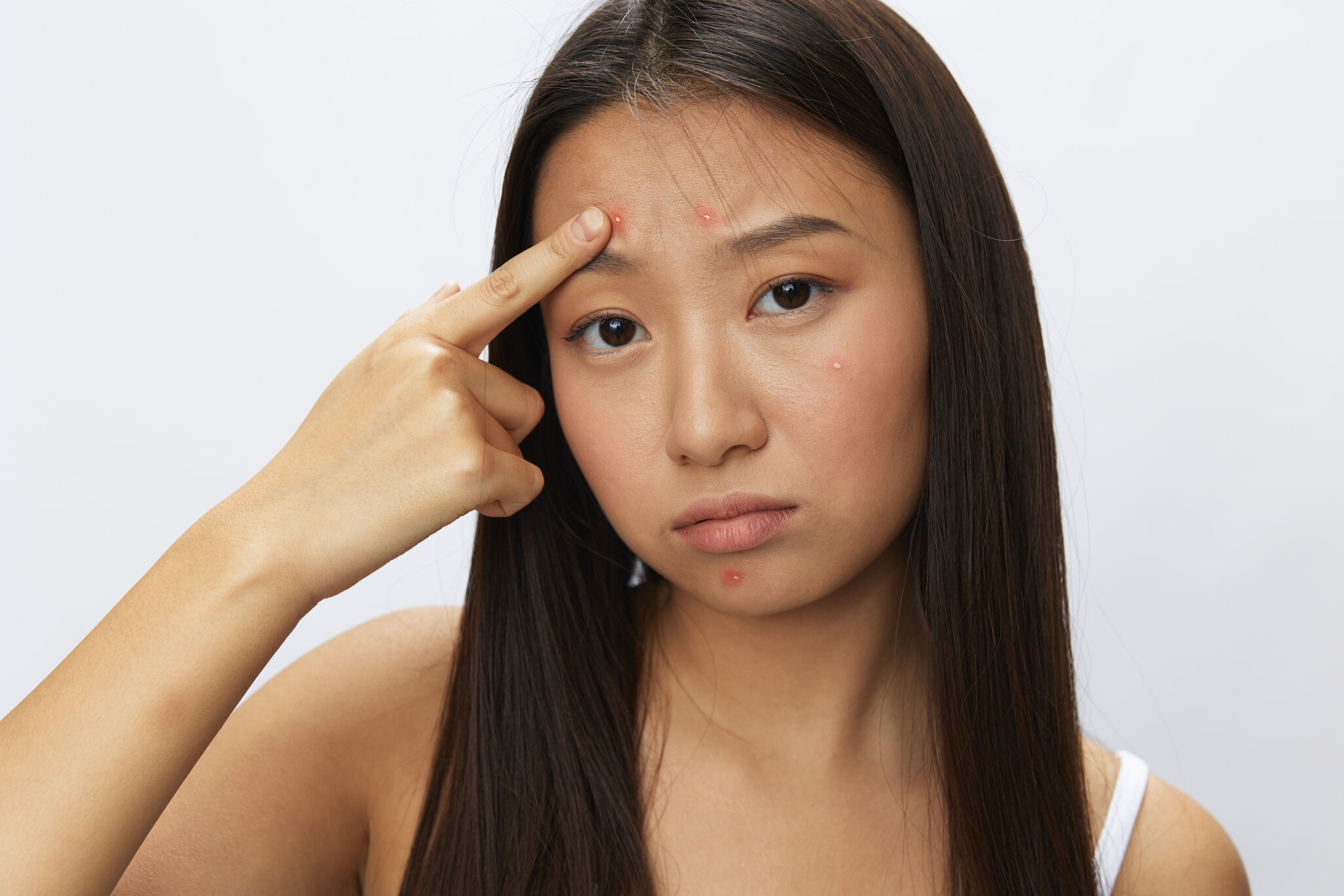
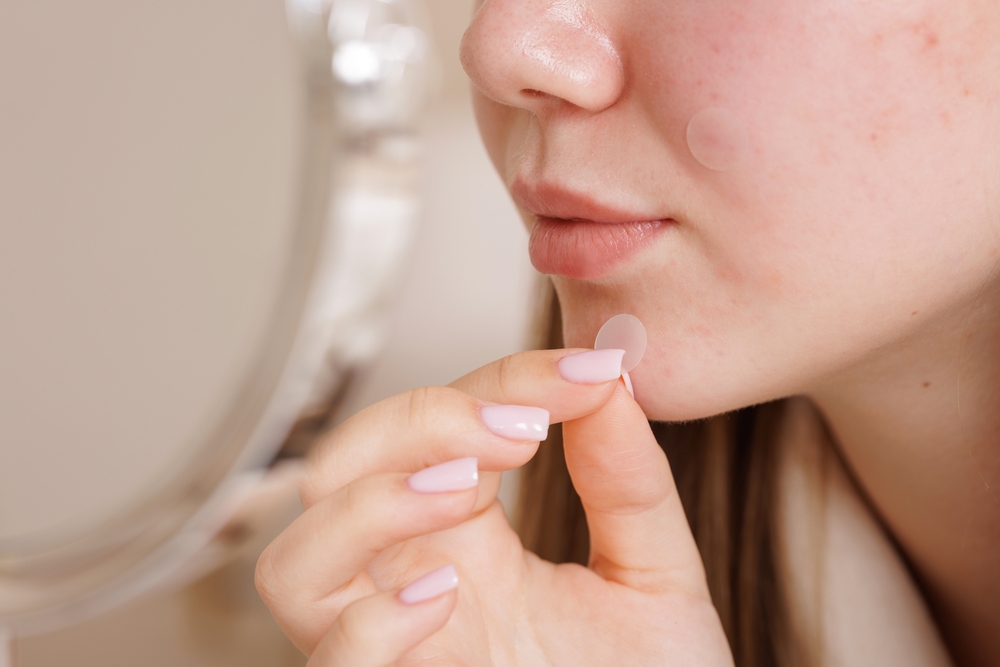
When a pimple appears, the first instinct might be to pop it and move on. But what if there's a better way to handle breakouts, one that doesn't involve squeezing, scarring, or spreading bacteria? Enter pimple patches: the modern skincare hero that's changing how we treat acne. Whether your pimple is still developing or you've already popped it (we've all been there), understanding when and how to use these tiny stickers can make all the difference in your skin's healing journey. The question of whether to use a pimple patch on a popped pimple or an unpopped one is crucial, and the answer might surprise you with how effective these patches can be in both scenarios.
The Power of Pimple Patches
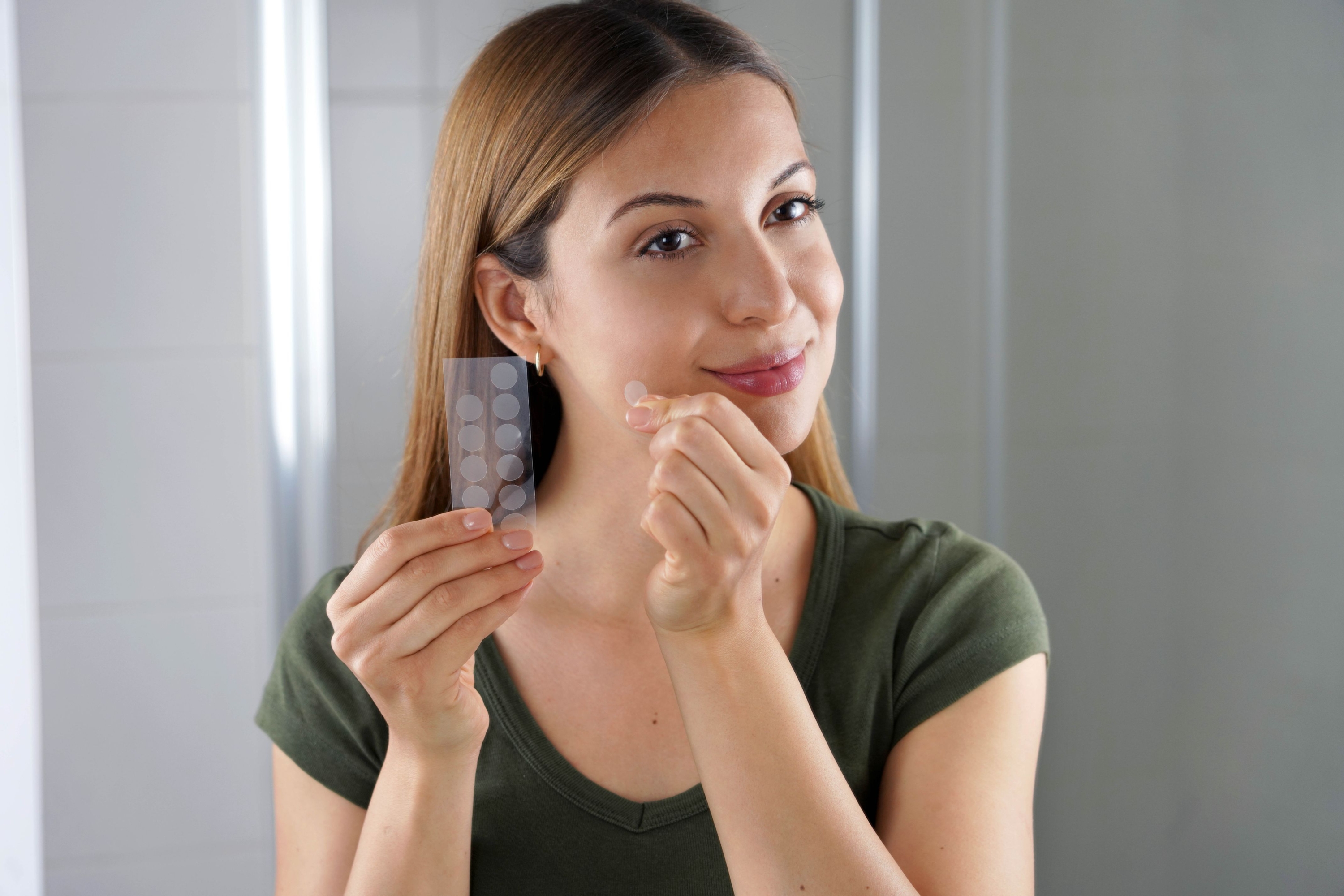
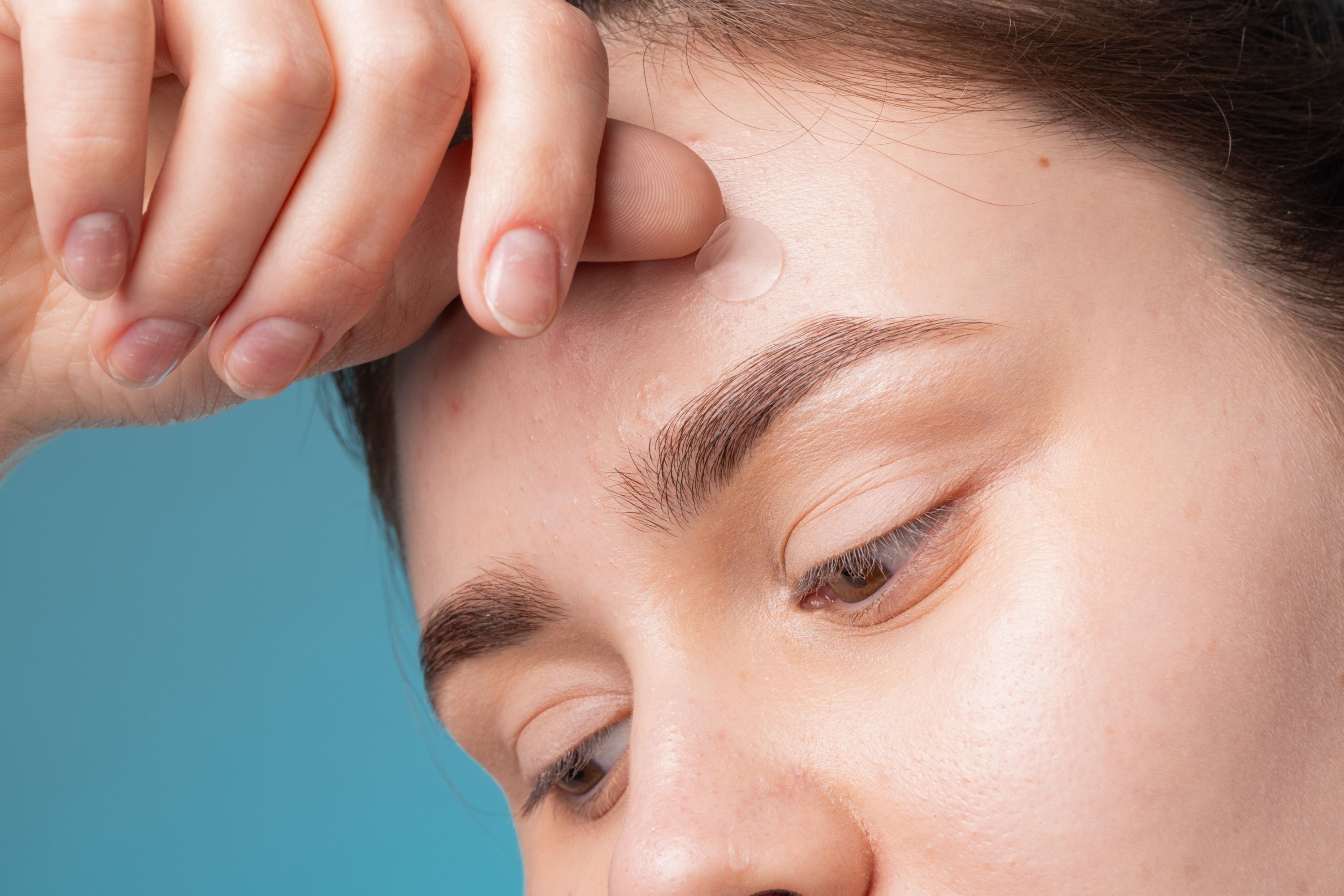
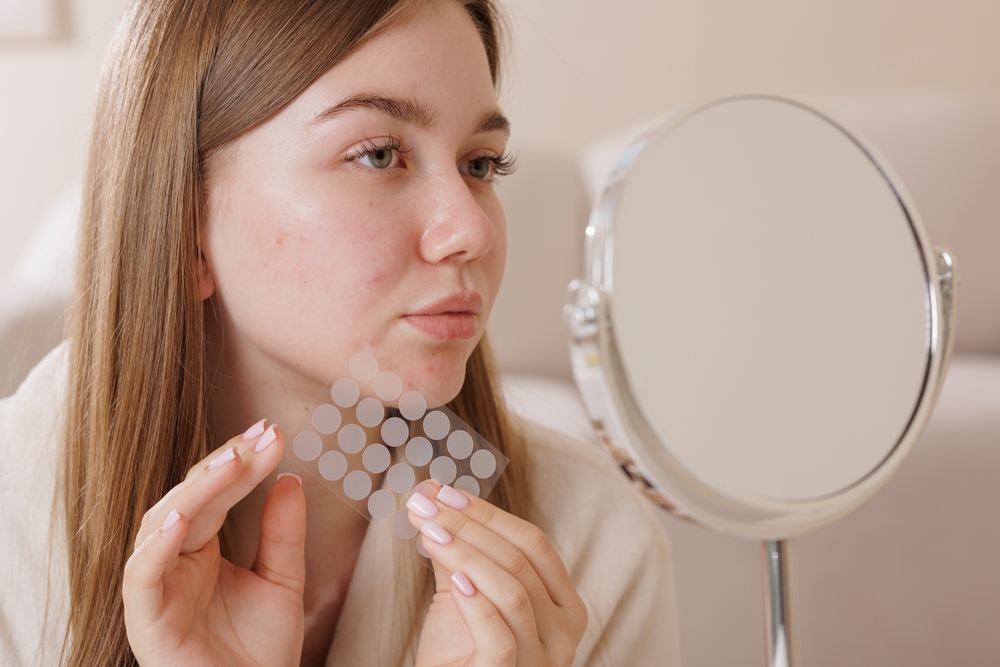
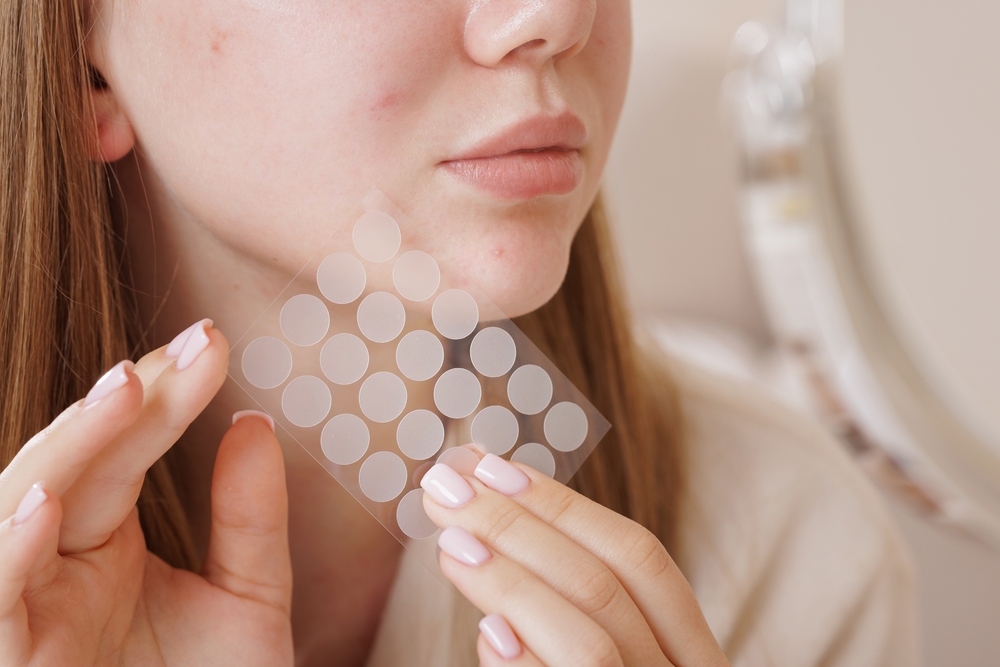
Pimple patches have revolutionized acne care by offering a simple yet effective solution for managing breakouts at any stage. These small, adhesive patches act as a protective barrier between your skin and the outside world, shielding blemishes from dirt, bacteria, and the most common culprit of all, your fingers. Beyond protection, many pimple patches contain hydrocolloid technology that absorbs excess fluid, oil, and impurities from the affected area, creating an optimal environment for faster healing. Whether you're dealing with an emerging whitehead or managing the aftermath of a popped pimple, these patches provide a hygienic, hands-off approach to acne treatment that supports your skin's natural recovery process while reducing the risk of scarring and infection.
Why You Shouldn't Pop Pimples
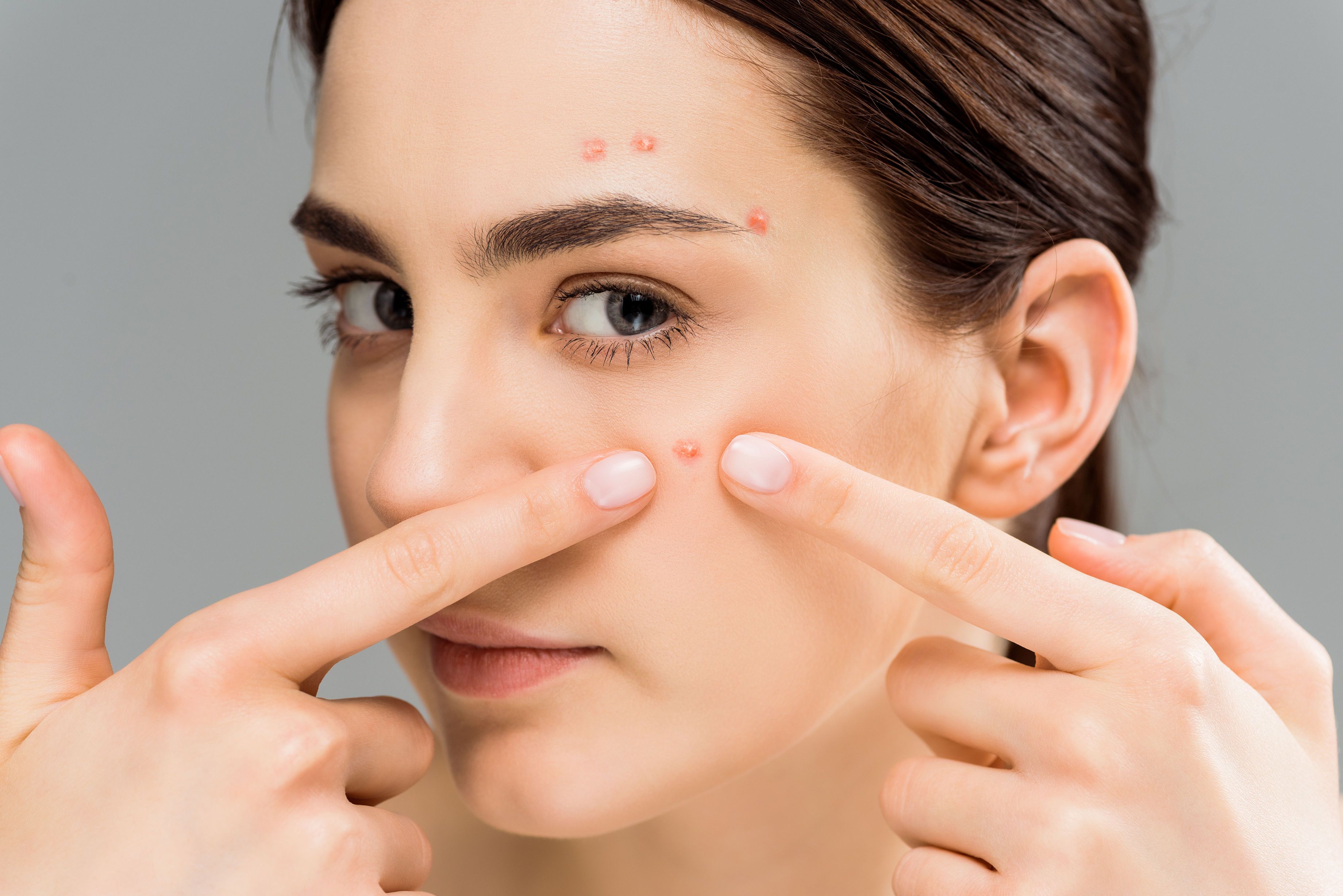
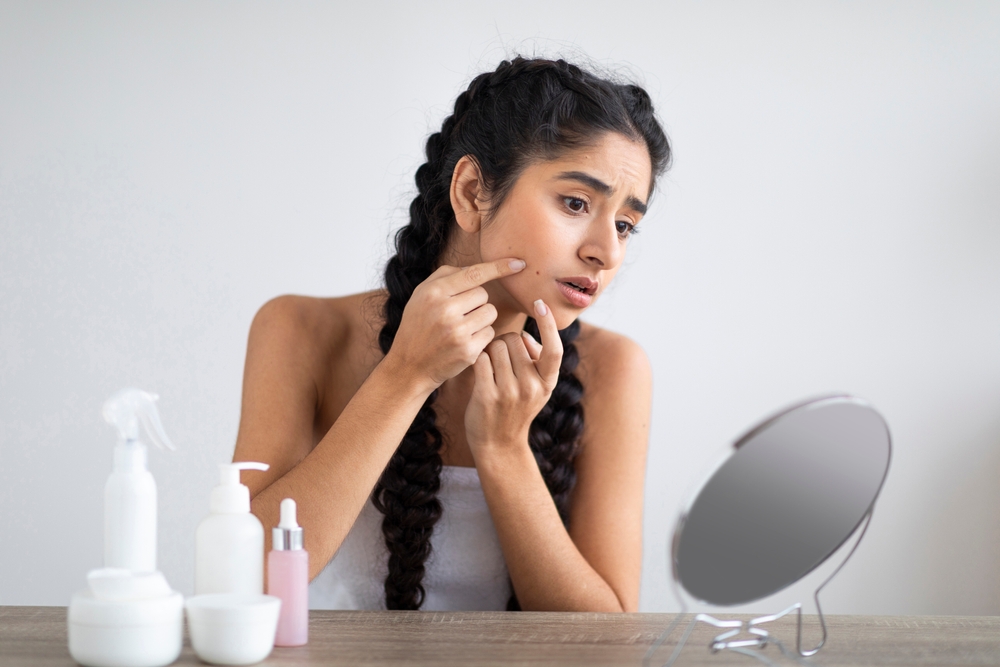
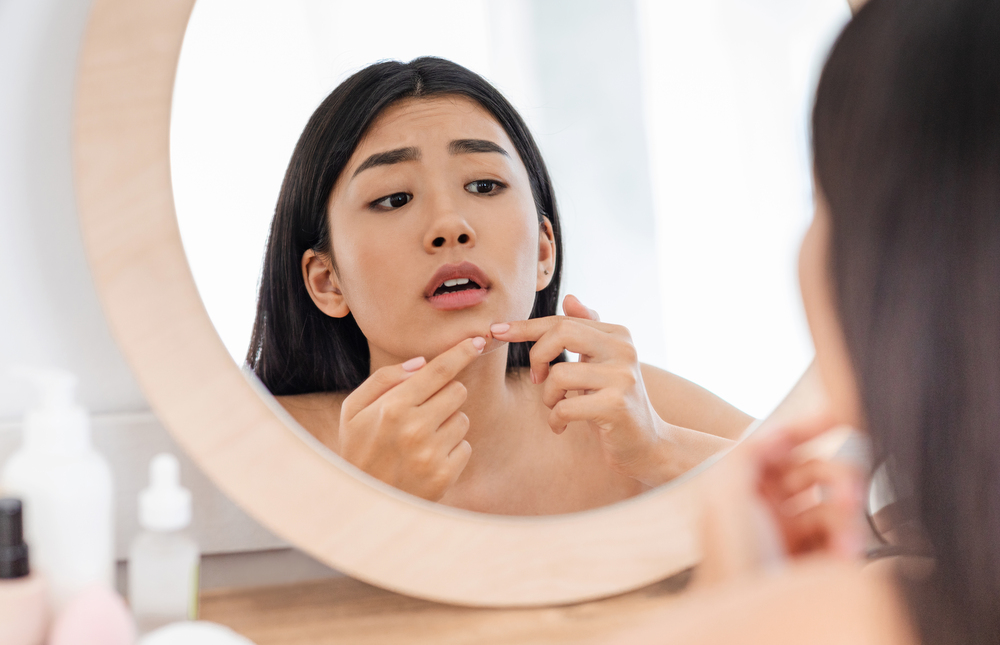
We've all felt the temptation to squeeze a stubborn pimple, but dermatologists universally agree that popping is one of the worst things you can do for your skin. Understanding the risks can help you resist the urge and opt for safer alternatives.
Infection
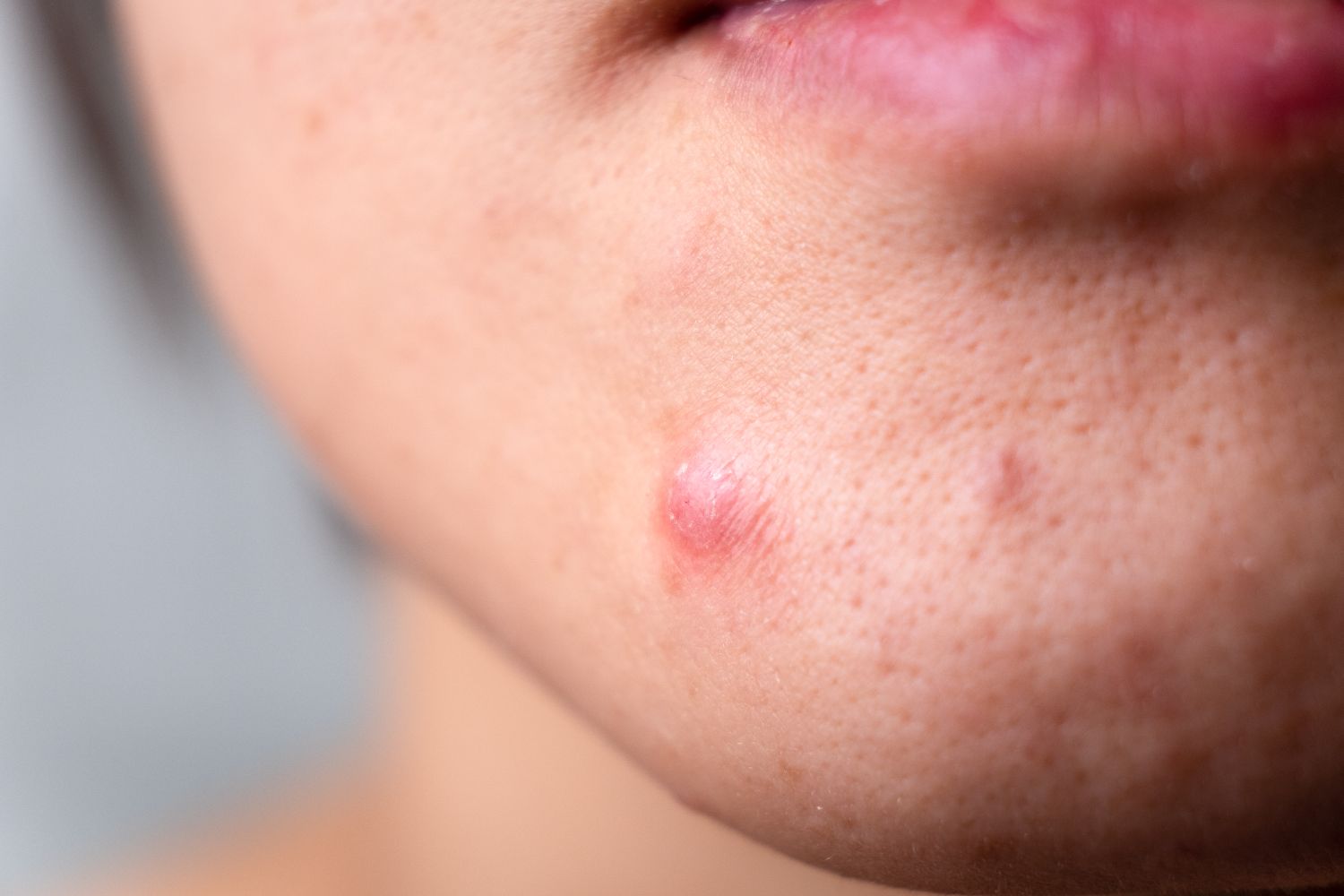
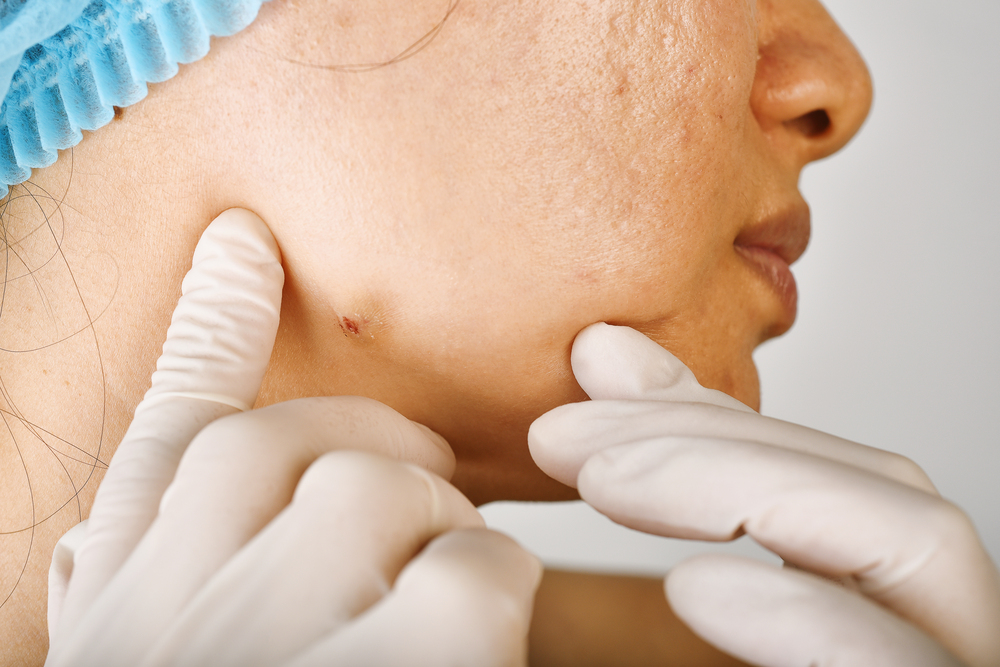
When you pop a pimple, you create an open wound that becomes vulnerable to bacteria from your hands, towels, or the environment. This bacterial invasion can lead to new breakouts in surrounding areas or cause the existing pimple to become even more inflamed and painful. What started as one small blemish can quickly escalate into multiple problem spots.
Increased Inflammation & Redness
The physical act of squeezing puts tremendous pressure on delicate facial skin, causing trauma to the surrounding tissue. This mechanical stress triggers an inflammatory response that makes the area more swollen, red, and noticeable than it was before. The pimple you were trying to minimize becomes an even more prominent feature on your face.
Worsening the Breakout
Popping a pimple doesn't just affect that one spot; it can create a domino effect across your complexion. The bacteria and sebum inside can spread to nearby pores when you squeeze, essentially planting the seeds for future breakouts. Additionally, the pressure can push infected material deeper into the skin, creating under-the-surface inflammation that's even harder to treat.
Delayed Healing
Your skin has a natural healing timeline that gets disrupted when you interfere with a pimple. Popping damages the skin's protective barrier and interrupts the body's organized repair process, which includes inflammation, new tissue formation, and remodeling. This interference can extend your recovery time from days to weeks, keeping you dealing with the blemish far longer than necessary.
Risk of Scarring
Perhaps the most concerning consequence of popping pimples is the potential for permanent scarring. When you squeeze a pimple, you risk damaging the deeper layers of skin and creating indentations, raised tissue, or hyperpigmentation that can last months, years, or even a lifetime. These acne scars often require professional treatments to improve, making that momentary satisfaction of popping definitely not worth the long-term consequences.
Pimple Patches on Unpopped Pimples: Early-Stage Clearing

One of the most common questions in skincare circles is: do pimple patches work on unpopped pimples? The answer is a resounding yes, and applying them early can actually be one of your best defenses against a developing breakout.
Effectiveness
Pimple patches are highly effective on unpopped pimples, working as both a preventive and treatment tool. By creating a sealed environment over the blemish, these patches protect the area from external contamination while allowing your skin to heal naturally. They're particularly useful for whiteheads and early-stage pustules that haven't yet come to a head, as the patch can support the natural progression of the pimple without manual intervention.
Protective Barrier
The physical barrier created by a pimple patch is invaluable in preventing the unconscious touching, picking, and rubbing that we all do throughout the day. Whether it's resting your chin on your hand during a video call or adjusting your face mask, every touch transfers bacteria and oil to your skin. A patch eliminates this risk entirely, keeping curious fingers away from the developing pimple.
Speeds Up the Process
When applied to an unpopped pimple, patches can actually encourage the blemish to come to a head more quickly and safely. The moist environment created under the patch supports the skin's natural exfoliation process, allowing the blockage to surface without force. This means your pimple resolves faster than it would if left alone, but without any of the damage that comes from manual extraction.
Advanced care for Deep Acne
While pimple patches are effective for surface-level pimples, deep, cystic, or underground acne develops far below the skin’s surface, where the normal patches cannot reach effectively. For these stubborn blemishes, treatments like formulated patches with salicylic acid, professional extraction, or dermatologist-recommended care may be more suitable.
Pimple Patches on Popped Pimples: Enhanced Healing
If you've already popped a pimple, whether intentionally or accidentally, don't panic. This is actually when a pimple patch on popped pimples becomes most beneficial, transforming a potential skincare disaster into a manageable healing process.
Hydrocolloid Absorption
Once a pimple is popped, it releases fluid, pus, and blood that need to be managed properly. Hydrocolloid patches excel in this situation by drawing out this excess moisture while maintaining the ideal level of hydration for optimal healing. Unlike letting the wound air dry (which can lead to scabbing), the patch creates a moist healing environment that's been scientifically proven to speed up recovery and minimize scarring. The white bubble that forms under the patch is actually a visual indicator that it's working, absorbing all the gunk that would otherwise sit on your skin.
Reducing Infection Risk
An open popped pimple is essentially an invitation for bacteria to enter and wreak havoc on your skin. A pimple patch acts as a sterile bandage, sealing the wound from external contaminants like makeup, pollution, phone screens, and dirty pillowcases. This protection is crucial in the first 24-48 hours after popping, when the skin is most vulnerable to infection. By maintaining this clean barrier, you prevent the introduction of new bacteria that could cause the area to become reinfected or develop into a larger, more problematic breakout.
Prevents Further Irritation
After popping a pimple, that spot becomes sensitive and prone to additional damage from rubbing, scratching, or accidental contact. Face masks, scarves, and pillows can all irritate the raw skin, prolonging healing time and increasing inflammation. A pimple patch provides a cushioning layer that absorbs friction and prevents these everyday items from aggravating the wound. It's especially valuable at night when you might unconsciously touch or pick at the spot in your sleep.
Promotes Faster Recovery
The combination of moisture retention, protection, and active fluid absorption creates the perfect storm for accelerated healing. Studies show that wounds covered with hydrocolloid dressings heal significantly faster than those left exposed to air.
For popped pimples specifically, this means reduced downtime from angry red marks to clear skin. The patch supports your skin's natural regeneration process by maintaining optimal conditions for new cell growth, helping you recover from the popping incident with minimal long-term consequences. Most importantly, this faster healing happens without scab formation, which means less temptation to pick and fewer opportunities for permanent scarring to develop.
No matter the state of your pimple, we have the perfect pimple patches for you. Say goodbye to breakouts with confidence.