Acne & Oily Skin
January 30, 2026
How to Cover a Pimple Like a Pro: Pimple-Free Confidence, No Makeup Needed!

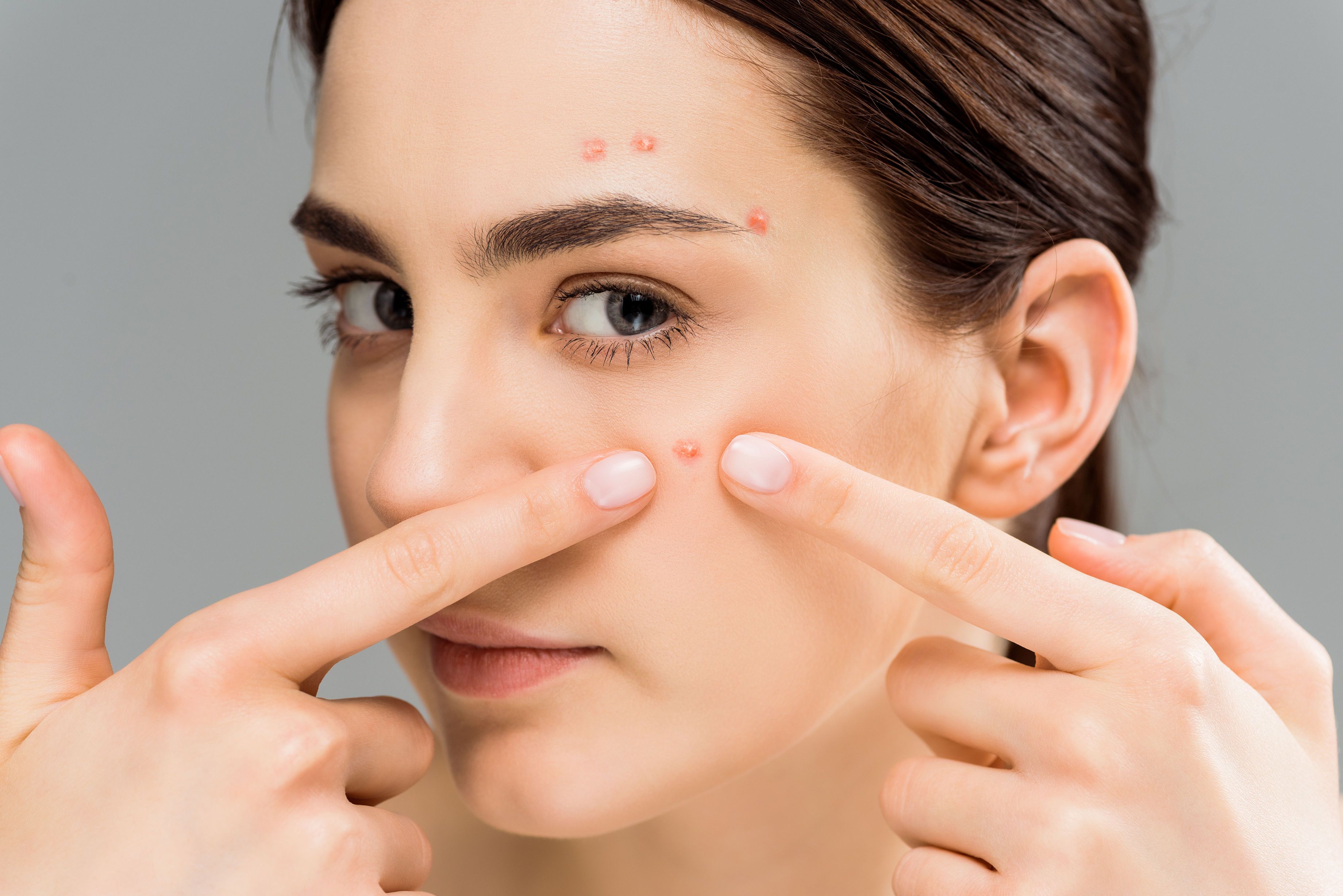
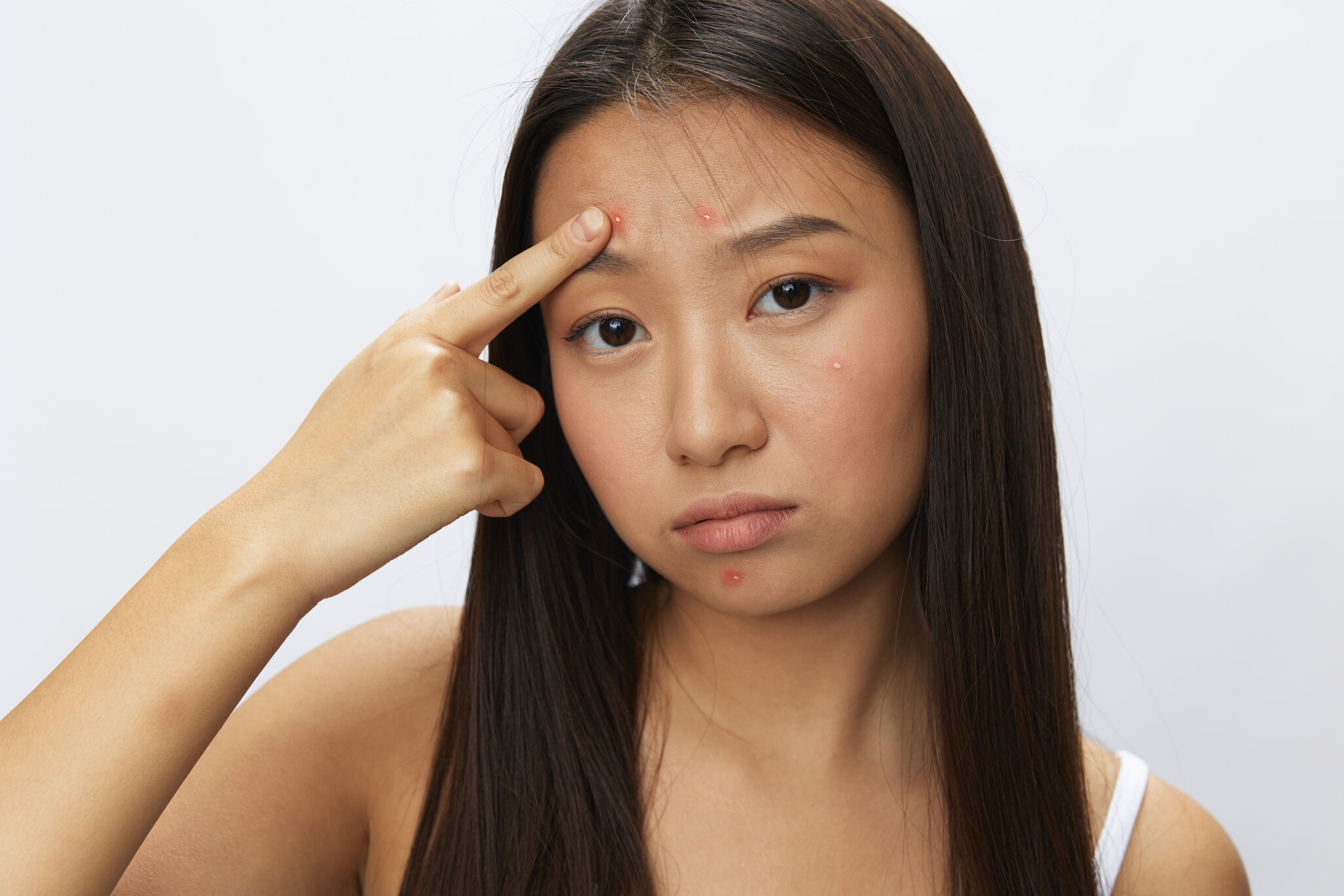
Waking up to find an angry, red pimple staring back at you in the mirror can feel like a personal attack, especially before an important meeting, date, or event. The panic of figuring out how to cover a pimple quickly sends many people reaching for their concealer, but what if there were smarter, skin-friendly ways to hide breakouts without caking on makeup?
Whether you're dealing with hormonal acne, stress-induced breakouts, or just an unfortunate spot at the worst possible time, understanding both the causes and the solutions can help you tackle pimples with confidence. In this guide, we'll explore what triggers pimples, the most effective ways to cover them (including options beyond makeup), and expert tips for preventing future breakouts, all while maintaining healthy and happy skin.
What Causes the Formation of Pimples?
Before learning how to cover a pimple, it's essential to understand why they form in the first place. Knowing your triggers can help you prevent breakouts and choose the right treatment approach.
Excess Oil (Sebum)
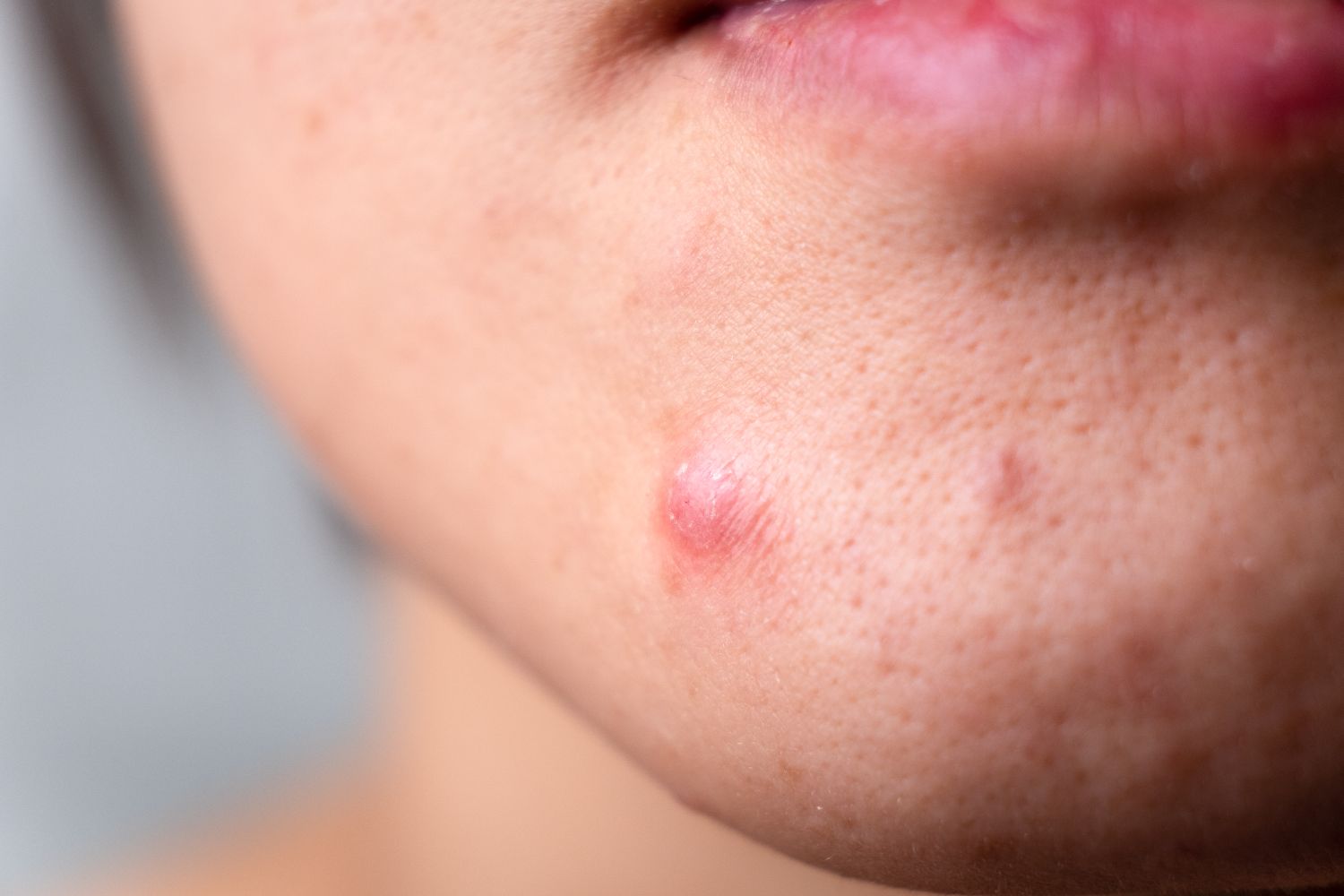
Your skin naturally produces sebum to stay moisturized and protected. However, when sebaceous glands go into overdrive - often due to genetics, hormones, or environmental factors - this excess oil can mix with dead skin cells and clog pores. These clogged pores create the perfect environment for pimples to develop, ranging from blackheads and whiteheads to inflammatory acne.
Bacteria Build-Up
Your skin is home to various bacteria, including Cutibacterium acnes (formerly known as Propionibacterium acnes). When pores become blocked, these bacteria multiply rapidly in the oxygen-deprived environment, triggering your immune system to respond with inflammation, resulting in those painful, red, swollen pimples.
Hormonal Changes
Hormonal fluctuations are one of the most common culprits behind breakouts. During puberty, menstruation, pregnancy, or periods of high stress, hormone levels shift dramatically, often increasing androgen production. These hormones stimulate oil glands, leading to higher sebum production and, subsequently, acne.
Diet & Lifestyle
Research increasingly suggests that what you eat affects your skin. High-glycemic foods (think white bread, sugary snacks, and processed carbs) can spike insulin levels, potentially triggering oil production. Dairy products have also been linked to acne in some studies. Additionally, poor sleep, chronic stress, and inadequate hydration can compromise your skin's natural healing processes, making breakouts more likely and harder to resolve.
Effective Ways to Cover a Pimple
When a pimple appears, the immediate instinct for many is to hide it quickly. The first solution that comes to mind? Makeup. While concealers and foundations can certainly camouflage blemishes, they're not always the best choice for your skin's health. Let's explore both traditional makeup methods and innovative alternatives that answer the question: how to hide pimples without makeup?
The Makeup Route: Pros and Cons
Color-correcting concealers, full-coverage foundations, and setting powders have long been the go-to for covering pimples. When applied correctly, starting with a green-tinted color corrector to neutralize redness, followed by a skin-toned concealer and a light dusting of powder, makeup can effectively disguise breakouts for hours.
Important Safety Note: Avoid applying makeup directly on open, inflamed, or pus-filled pimples, as doing so can introduce bacteria, worsen infection, and delay healing. Makeup should only be used on closed or fully healed blemishes.
However, there are significant drawbacks to consider:
• Pore-Clogging Potential: Many makeup products contain oils, silicones, or heavy ingredients that can trap bacteria and sebum beneath the surface, potentially worsening your breakout or causing new ones.
• Skin Irritation: Applying multiple layers of product on already inflamed skin can cause further irritation, especially if you're using makeup brushes or sponges that harbor bacteria.
• The Coverage Cycle: Heavy makeup often requires more makeup to maintain coverage throughout the day, creating a vicious cycle that prevents your skin from breathing and healing naturally.
• Removal Hassles: At the end of the day, you need to cleanse all that makeup off thoroughly, and if you're not careful, residue can linger in your pores.
Pimple Patches: The Game-Changing Alternative
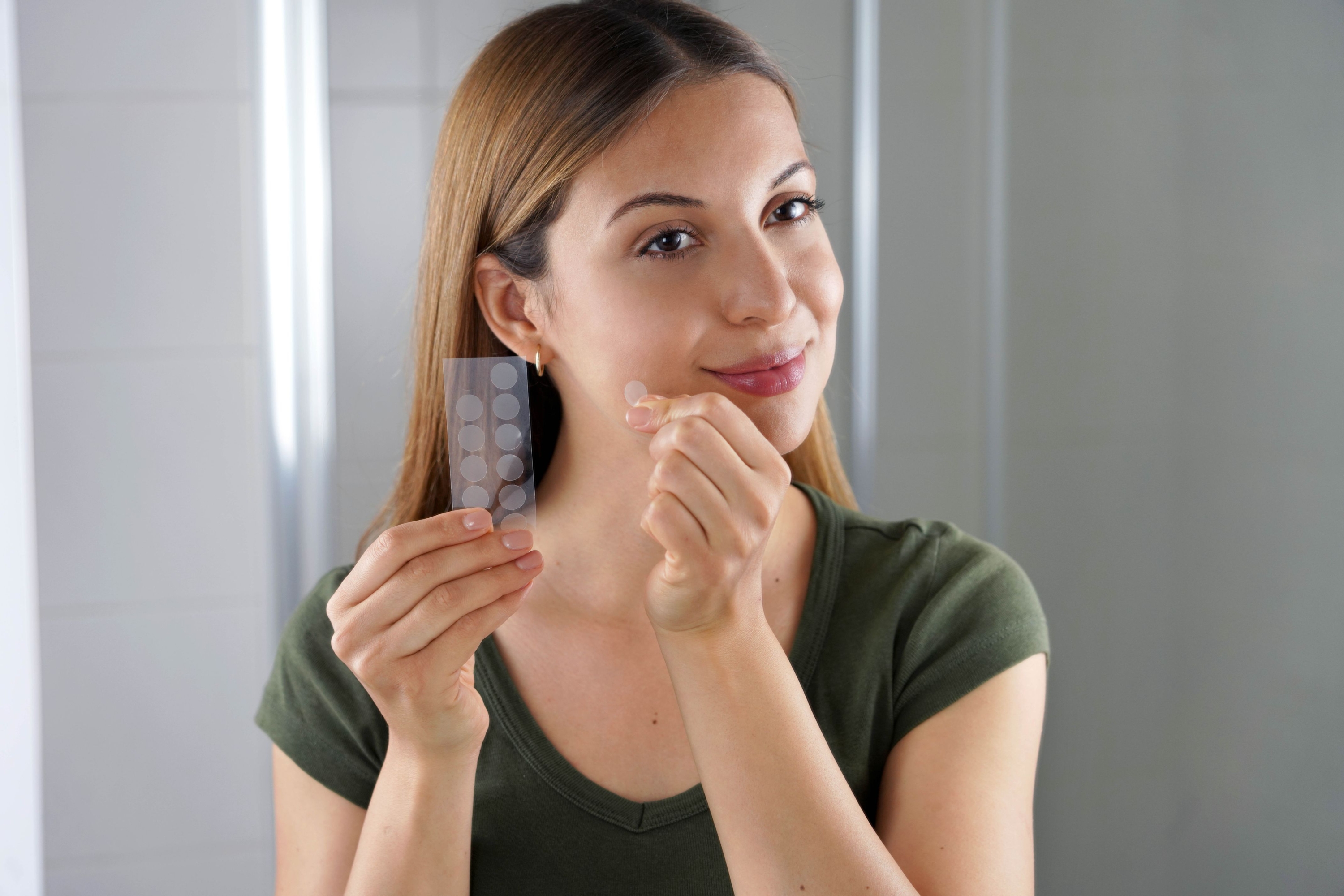
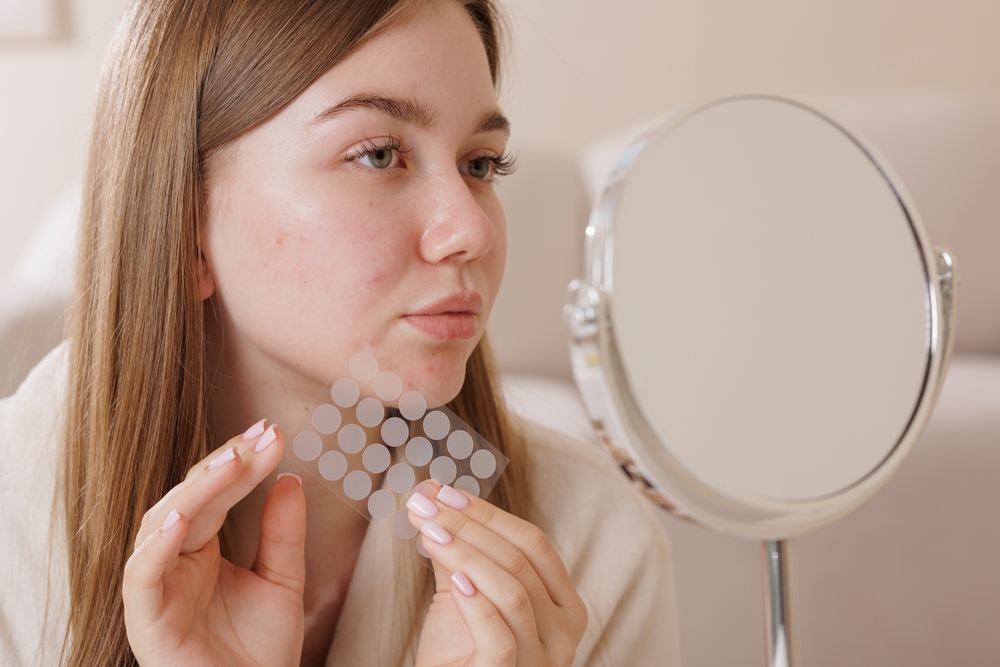
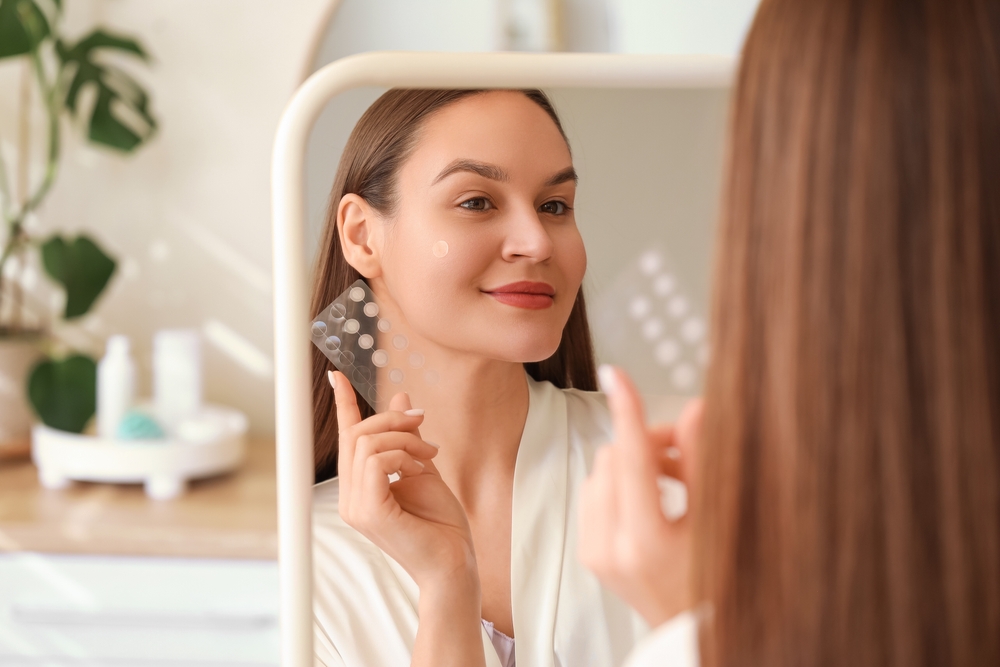
If you're searching for how to cover a pimple without the downsides of makeup, pimple patches (also known as acne patches or hydrocolloid patches) offer an innovative solution that's taken the skincare world by storm, and for good reason.
What makes pimple patches so effective?
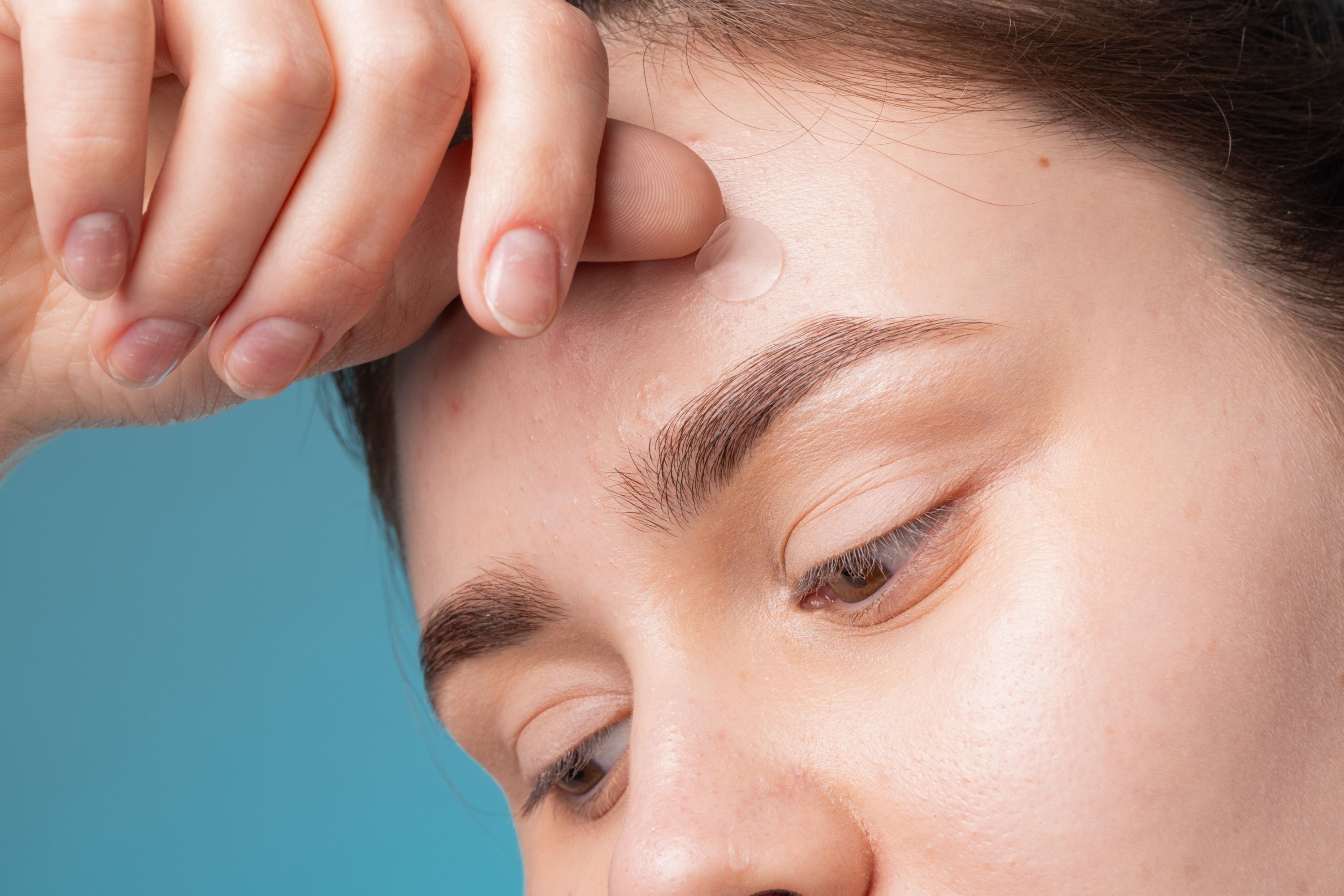
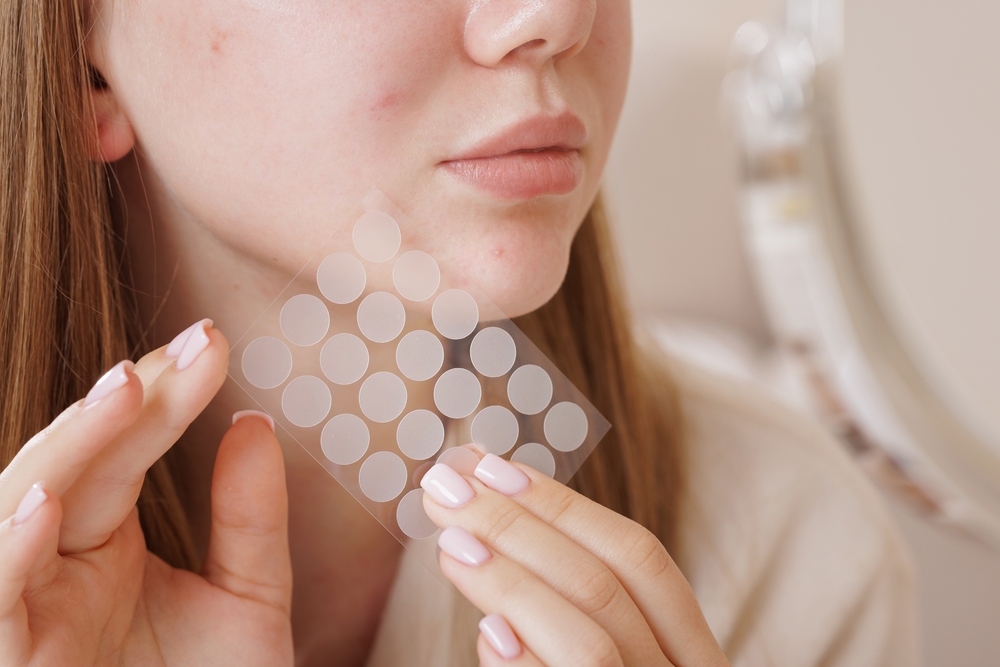
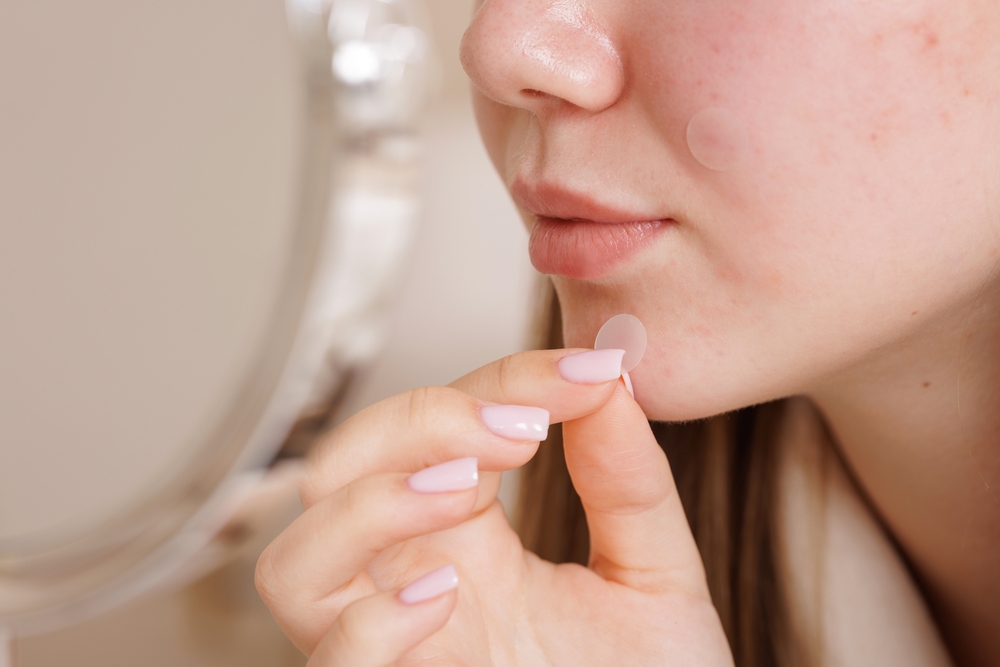
Invisible Coverage: Modern pimple patches are ultra-thin and nearly transparent, making them virtually invisible on the skin. They create a smooth surface that seamlessly blends with your complexion, allowing you to confidently go about your day without drawing attention to your blemish.
Protective Barrier: Unlike makeup that can smudge or wear off, pimple patches create a physical barrier between your pimple and the outside world. This protective shield prevents dirt, bacteria, and pollutants from entering the affected area while also discouraging you from touching or picking at the spot, a habit that is associated with a higher risk of scarring and infection.
Active Healing: The real magic of pimple patches lies in their ability to do double duty. Hydrocolloid technology absorbs excess fluid, pus, and oil from the pimple while maintaining a moist environment that promotes faster healing. Many patches also contain additional healing ingredients like tea tree oil, salicylic acid, or centella asiatica that actively work to reduce inflammation and speed up recovery.
Makeup-Friendly: For those times when you do want extra coverage, most pimple patches are designed to work seamlessly under makeup, creating a smooth base that actually helps your concealer go on more evenly.
Important Considerations When Covering Pimples

Whether you choose makeup, pimple patches, or a combination of both, following these essential guidelines will help you cover pimples safely while supporting, not hindering, the healing process.
Avoid Friction and Irritation
Your pimple is already inflamed, so the last thing you want is additional irritation. When applying pimple patches, use clean hands and gently press them into place; avoid rubbing. If you're using makeup, choose soft, clean brushes or beauty sponges and apply with a gentle dabbing motion rather than wiping or dragging across the skin. Throughout the day, be mindful of accessories like phone screens, hats, or glasses that might rub against your breakout.
Ensure Breathability
Healthy skin recovery benefits from a balanced environment that avoids excessive occlusion and irritation. When selecting coverage products, prioritize breathable formulations that won't suffocate your pores. Look for non-comedogenic makeup labeled as "breathable" or "allows skin to breathe." Pimple patches are inherently breathable despite forming a protective seal, allowing moisture to escape while keeping contaminants out, one of their key advantages over heavy makeup.
Choose the Right Products
Not all coverage products are created equal, especially when dealing with active breakouts. Avoid products containing harsh chemicals, fragrances, or known irritants like alcohol and concentrated essential oils that can exacerbate inflammation. Instead, look for gentle, dermatologist-approved options specifically designed for acne-prone skin. Read ingredient labels carefully and when in doubt, patch-test new products on a small area first.
Prioritize Healing + Coverage
The ideal solution doesn't just hide your pimple, it actively helps it heal. This is where advanced hydrocolloid pimple patches truly shine. Infused with soothing ingredients like tea tree oil (known for its purifying properties), salicylic acid (helps unclog pores and manage excess oil), tranexamic acid (supports the appearance of post-acne marks and uneven tone), or CICA (centella asiatica, known for its calming and skin-soothing benefits), these patches work behind the scenes to reduce redness, calm inflammation, and accelerate healing, all while discreetly covering your blemish. Think of them as skincare and coverage in one convenient package.
How to Prevent Pimples Without Covering Them
While knowing how to cover a pimple is useful for those emergency situations, the ultimate goal is to prevent breakouts from happening in the first place. Here's how to build a routine that keeps your skin clear and resilient.
Maintain a Consistent Skincare Routine
Consistency is key when it comes to preventing acne. Establish a daily regimen that includes:
• Gentle Cleansing: Wash your face twice daily with a mild, pH-balanced cleanser that removes dirt, oil, and makeup without stripping your skin's natural moisture barrier. Avoid harsh scrubbing, which can irritate skin and trigger more oil production.
• Regular Exfoliation: Incorporate chemical exfoliants (like salicylic acid or lactic acid) 2-3 times per week to prevent dead skin cells from clogging pores. These are generally gentler and more effective than physical scrubs.
• Targeted Treatments: Use spot treatments or serums containing acne-fighting ingredients like benzoyl peroxide, retinoids, or niacinamide to keep breakouts at bay.
Moisturize Consistently
It might seem counterintuitive, but even oily, acne-prone skin needs proper hydration. When your skin is dehydrated, it can actually produce more oil to compensate, leading to clogged pores. Select a lightweight, non-comedogenic moisturizer that preserves your skin's barrier function without leaving a heavy or greasy residue.
Avoid Touching Your Face
Your hands come into contact with countless surfaces throughout the day, picking up bacteria, dirt, and oils along the way. Every time you touch your face, you transfer these contaminants to your pores. Make a conscious effort to keep your hands away from your face, and regularly clean items that touch your skin, including your phone screen, pillowcases, and makeup brushes.
Ready for Hassle-Free Pimple Coverage?
Looking for a more direct solution to hide pimples without makeup? Check out our invisible pimple patch—it hides pimples easily while helping your skin heal.
Our advanced hydrocolloid patches provide invisible coverage while helping calm the look of redness and support the skin’s natural healing process. No more clogged pores, no more makeup meltdowns, just clear, confident skin.
Say goodbye to breakout panic and hello to skin you can feel good about!