Acne & Oily Skin
January 29, 2026
The Science Behind That White Stuff on Your Pimple Patch: Healing Signal or Cause for Concern?

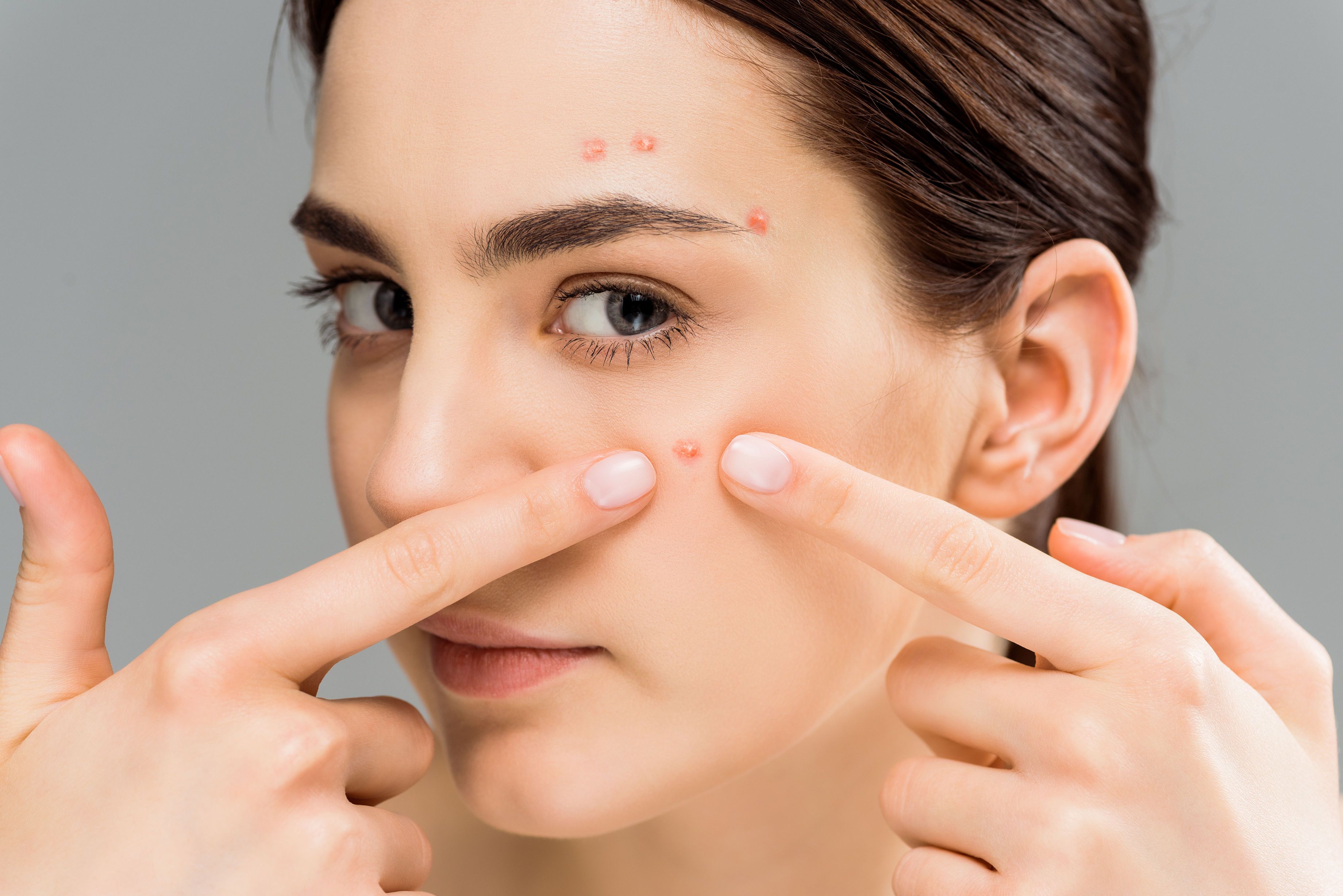
Have you ever woken up to find a mysterious white blob sitting on your pimple patch? That white stuff on your pimple patch isn't a cause for concern - it's actually a sign that your acne treatment is working as intended. Before you panic, take a breath and understand what's really happening.
By learning what causes this white appearance, you can use pimple patches more effectively and recognize when your skin is healing properly versus when it might need extra care.
What Is the White Stuff on Your Pimple Patch?
The white material you see on your pimple patch isn't something to worry about. It shows that the patch has been hard at work while you sleep or go about your day.
Understanding Hydrocolloid Patches
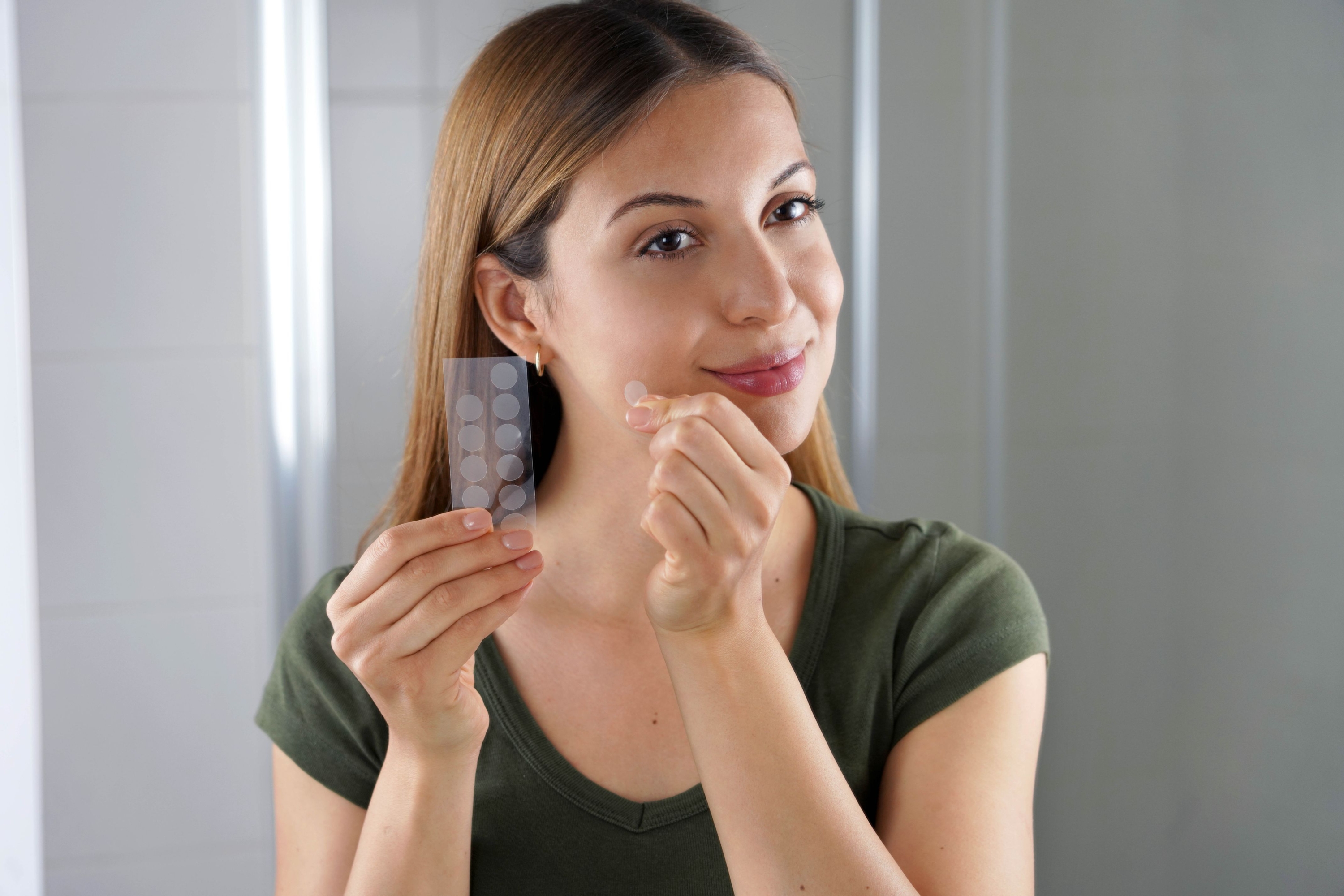
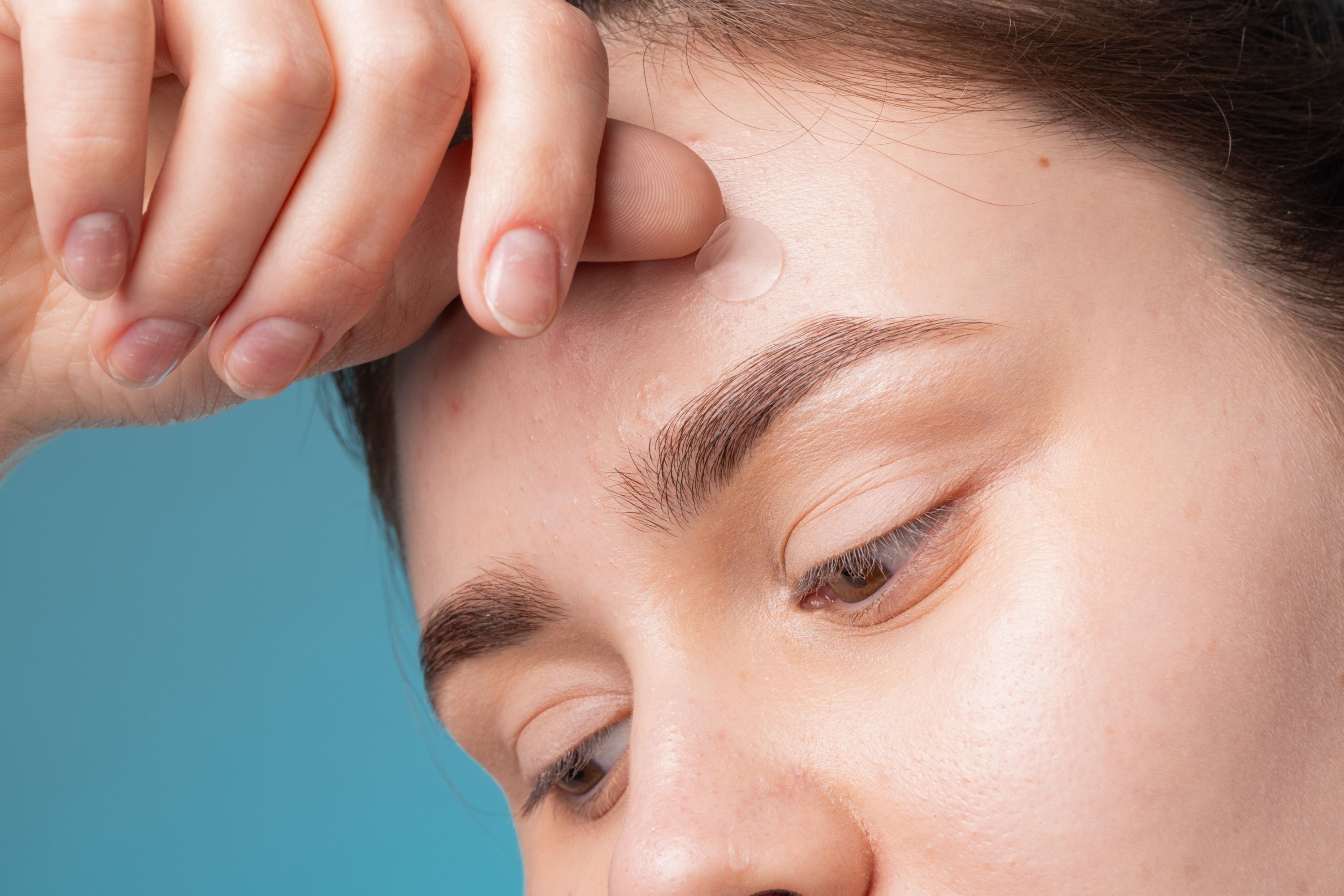
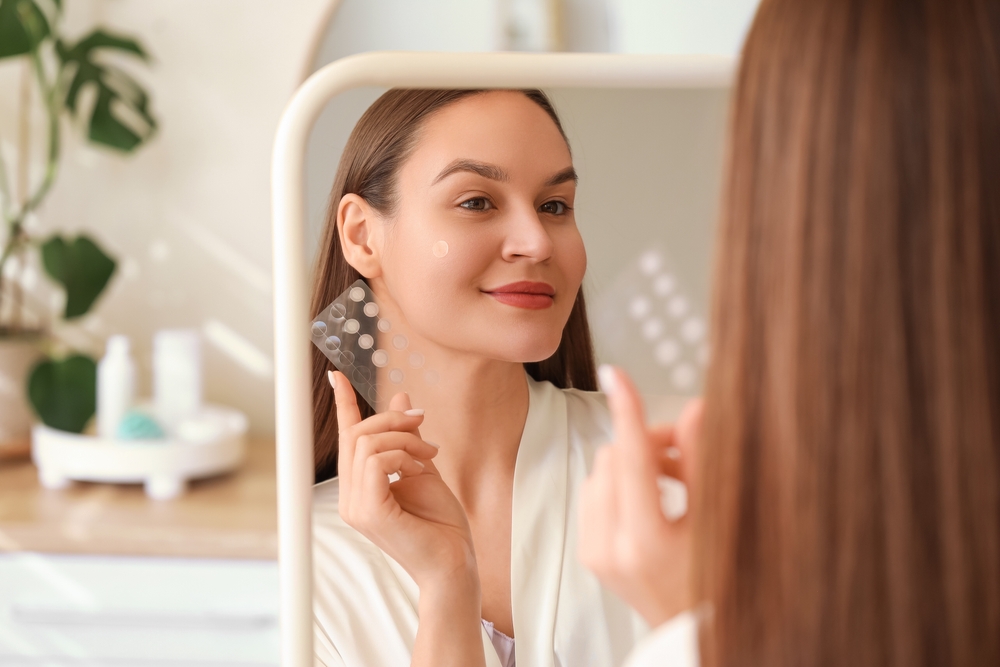
Hydrocolloid patches are specialized wound dressings originally developed for medical purposes to heal burns and surgical wounds. In acne care, these thin, adhesive patches create a protective barrier over blemishes while simultaneously drawing out impurities.
The technology behind hydrocolloid patches involves gel-forming agents that absorb moisture and help create an optimal healing environment. When applied to a pimple, particularly one that has come to a head, the patch goes to work immediately. It creates a moist environment that promotes faster healing while protecting the area from bacteria and accidental picking.
Why the White Residue Appears
The white residue you see on a pimple patch is a mixture of pus, oil, and other fluids that have been absorbed from the blemish. When the hydrocolloid material comes into contact with these fluids, it absorbs them and swells, turning from transparent to opaque white.
This visible transformation is your patch signaling that it has successfully absorbed impurities from your pimple. The white appearance essentially represents all the gunk that was inside your blemish, now safely contained within the patch instead of remaining in your skin. This helps reduce the risk of further inflammation or infection from developing in the area.
Why Do Hydrocolloid Patches Turn White?

The science behind why your pimple patch changes color is both fascinating and reassuring, involving specialized materials and natural physical processes working together.
The Role of Hydrocolloid Materials
Hydrocolloid dressings contain gel-forming polymers that interact with wound fluids to create a gel-like substance. These materials are specifically designed to be highly absorbent, capable of holding many times their weight in fluid.
When applied to a pimple, the hydrocolloid particles in the patch begin absorbing the exudate, the mixture of pus, sebum, lymph fluid, and cellular debris that collects in acne lesions. As these particles swell with absorbed fluid, they change from their original clear or translucent state to an opaque white color. This makes the absorption process visible to the naked eye, giving you real-time feedback on how well the patch is working.
How Osmosis Works in Pimple Patches
The science behind how pimple patches absorb fluid is based on osmosis, the movement of fluid from an area of higher concentration to a lower concentration. The hydrocolloid patch creates a moisture gradient that helps draw fluid out from the pimple into the patch material. This natural physical process means the patch can continue absorbing fluid until it reaches saturation or until there's no more fluid to absorb from the blemish. The moisture-rich environment created by the patch also helps soften the skin and brings impurities closer to the surface. This may make impurities easier to remove while minimizing additional skin irritation.
Visible Impurities and Bacteria
The white material you see isn't just fluid; it's a cocktail of everything that was clogging your pores. This includes sebum (your skin's natural oil), dead skin cells, white blood cells that fight the infection, and yes, bacteria. The white appearance often indicates that oil, pus, and other impurities have been successfully drawn out, which is precisely what you want. Seeing these impurities indicates they are no longer trapped within the skin, where they can contribute to inflammation. The patch has effectively created a one-way street, allowing fluid to exit the pimple while helping block external bacteria.
The White Stuff Is a Good Sign: How It Shows Your Patch Is Working
Seeing white on your pimple patch shouldn't cause alarm; rather, it's confirmation that your acne treatment is working.
Healing Process in Action
The white color indicates that pus and fluids have been successfully absorbed into the patch, which is a key part of the healing process. When these fluids are removed, inflammation may decrease, allowing your skin to begin repairing itself more quickly.
The patch also maintains the ideal moisture level for healing, not too wet, not too dry, which may support faster recovery and minimize the risk of scarring. Many users notice that pimples treated with hydrocolloid patches appeal to heal faster than those left untreated or treated with drying agents.
The white residue acts as a progress indicator, showing that the patch has absorbed fluids and helped create a favorable environment for skin recovery.
The Importance of Seeing White
Think of the white appearance as a receipt proving your patch investment paid off. The visible white material serves as confirmation that the patch has done its job effectively, absorbing the impurities that were causing inflammation and prolonging the pimple's lifespan.
If you see significant whitening, especially concentrated in the center where the pimple was located, you can be confident that the patch successfully targeted the problem area. This visual feedback is one of the reasons pimple patches have become so popular; unlike invisible treatments, you can actually see the results.
The more white stuff you see (within reason), the more gunk has been removed from your skin, bringing you one step closer to clear, healthy skin.
When Is the White Stuff a Warning Sign? What You Need to Watch For
While white residue is typically a positive indicator, there are situations where the appearance of your patch might signal a problem that needs attention.
Excessive or Unusual White Stuff
If your patch is completely saturated with white material and appears to be leaking or has caused the surrounding skin to become macerated (overly softened and white). In that case, you may be experiencing over-drainage or irritation. This can happen if the patch is left on too long after it has reached its saturation point.
It can also occur if you're using patches on particularly large or deep pimples that produce more fluid than the patch can absorb. Excessive white material could indicate over-drainage or skin irritation, particularly if accompanied by redness extending beyond the pimple area.
If you notice this happening regularly, consider changing your patches more frequently or consulting with a dermatologist about whether hydrocolloid patches are appropriate for your specific type of acne.
No White Stuff After Extended Use
On the flip side, if you've worn a patch for the recommended time (typically 6-12 hours) and see absolutely no white appearance, this could indicate a few possible reasons. The absence of white material may suggest the pimple wasn't actively producing fluid yet or the patch wasn't applied properly.
Perhaps the pimple hasn't come to a head yet, or maybe there was oil, dirt, or skincare products on the skin preventing proper adhesion. It's also possible the patch was applied to a type of acne that doesn't respond well to hydrocolloid treatment.
If this happens, try gently cleansing the area, allowing the pimple to progress naturally, and reapplying a fresh patch to a completely dry, product-free surface.
Signs of Infection or Irritation
Pay attention to how the skin around your patch looks and feels. Warning signs include redness that extends well beyond the original pimple, increased swelling, warmth to the touch, significant pain, or discharge that appears yellowish or greenish rather than white.
Symptoms like redness, swelling, or pain around the pimple could indicate infection or an adverse reaction. These symptoms might suggest that the pimple has become infected or that you're experiencing an allergic reaction to the patch material.
If you notice any of these symptoms, remove the patch immediately, cleanse the area gently, and consider consulting a healthcare provider, especially if symptoms worsen or don't improve within 24 to 48 hours.
Non-Open Pimples
It's crucial to understand that hydrocolloid patches work best on specific types of acne lesions. Hydrocolloid patches are less effective on closed comedones, blackheads, or deep cystic acne that hasn't come to the surface.
For the patch to work effectively, it needs access to the fluid inside the pimple, which means the lesion should ideally have come to a head. Applying patches to closed comedones (blackheads and whiteheads) or deep, painful cystic acne may not produce any white residue because the patch can't reach the impurities trapped beneath intact skin.
For these types of blemishes, consider other treatments like salicylic acid for closed comedones or seeing a dermatologist for cystic acne management.
Ready to take your acne treatment to the next level? Understanding how pimple patches work is just the beginning. Check our blog for tips on maximizing the benefits of your patches and ensuring fast, effective healing. ???? Explore more skin advice here