Acne & Oily Skin
January 30, 2026
Do Pimple Patches Leave Scars? Can They Make Pimples Disappear Without Leaving Scars?

When a pimple finally heals, the last thing you want is a lasting reminder on your skin. Many people wonder: do pimple patches leave scars? The short answer is no, pimple patches themselves are not known to cause scarring. In fact, when used correctly, they can help reduce the risk of the marks and discoloration that often follow breakouts.
Understanding how scars form and what you can do to minimize them is essential for achieving clearer, healthier skin. Let's break down the differences between temporary marks and permanent scars, and explore how pimple patches, especially those with brightening ingredients, can support your skin's healing process.
Understanding Pimple Marks vs. Pimple Scars
Not all post-acne marks are created equal. What you see after a pimple heals might be temporary discoloration or a permanent change in your skin's texture. Knowing the difference helps you choose the right treatment approach.
Red Marks:
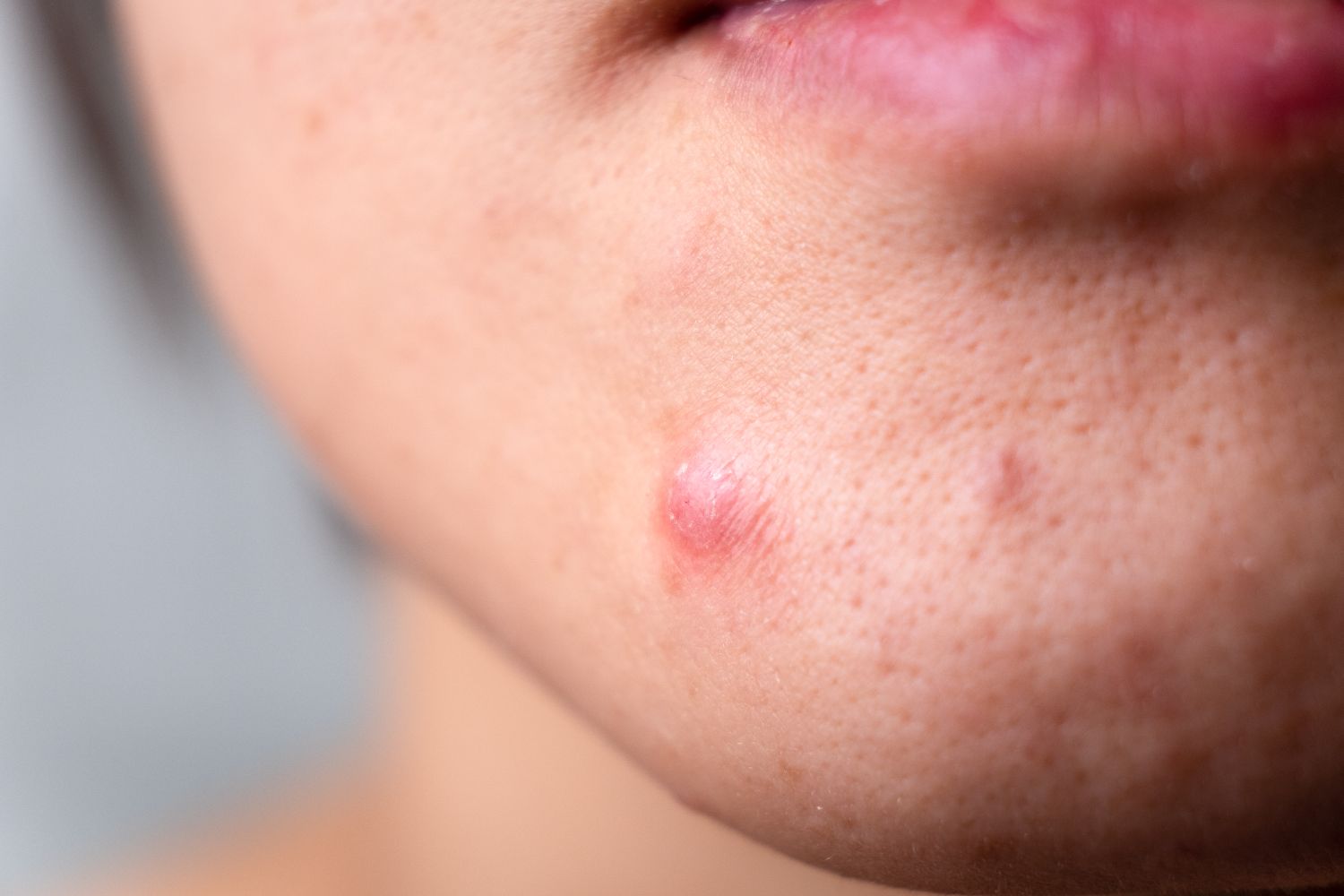
Red marks, also called post-inflammatory erythema (PIE), appear as pink or red spots where a pimple once was. These are caused by dilated blood vessels and inflammation in the skin. The good news? Red marks are temporary and typically fade on their own within a few weeks to months as your skin heals.
Black Marks / Dark Spots:
Dark spots, known as post-inflammatory hyperpigmentation (PIH), occur when excess melanin is produced during the healing process. These brown or black marks are more common in people with medium to darker skin tones. Unlike red marks, dark spots can persist for months or even years without proper treatment, making them a major concern for many acne sufferers.
Pitted Scars:
Pitted or atrophic scars are permanent indentations in the skin caused by damage to the deeper layers of tissue. These scars, often called ice pick, boxcar, or rolling scars, are commonly associated with severe inflammation that damages collagen during the healing process. Unlike marks, pitted scars don't fade naturally and often respond best to professional treatments like laser therapy or microneedling.
Understanding these distinctions is crucial. While red marks and dark spots can improve with the right skincare, pitted scars are much harder to reverse. This is why risk reduction and early intervention are so important.
What Causes Pimple Scarring and Hyperpigmentation

Scarring and hyperpigmentation don't happen by chance; they're the result of how your skin responds to inflammation and injury. Several factors determine whether a pimple will leave behind a mark or scar.
How Different Scars Develop
Red marks form when blood vessels remain dilated after inflammation subsides. Dark spots develop when melanocytes (pigment-producing cells) go into overdrive as part of the skin's healing response. Pitted scars occur when deep inflammation destroys collagen and elastin fibers, leaving permanent depressions in the skin.
Common Causes of Scarring
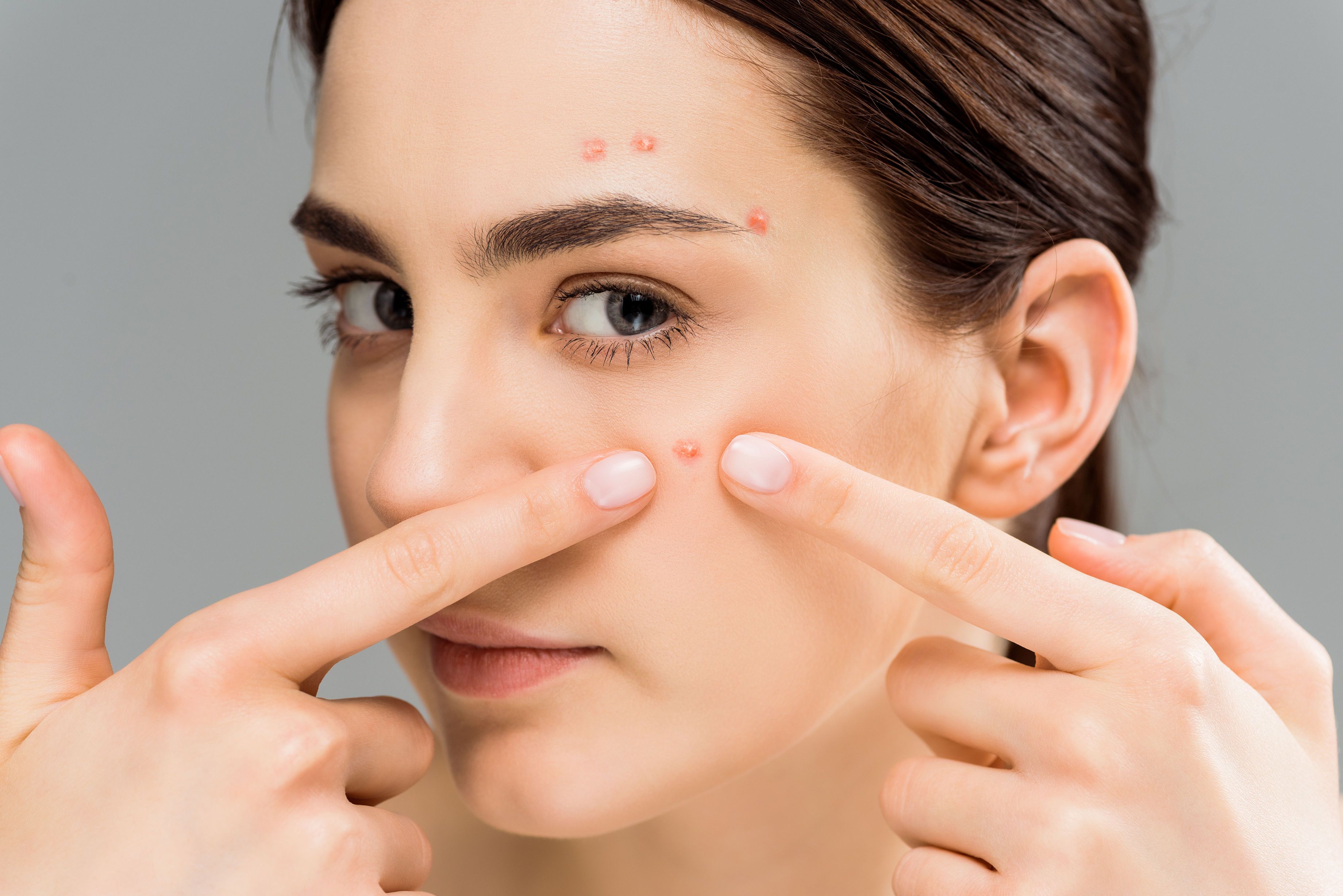
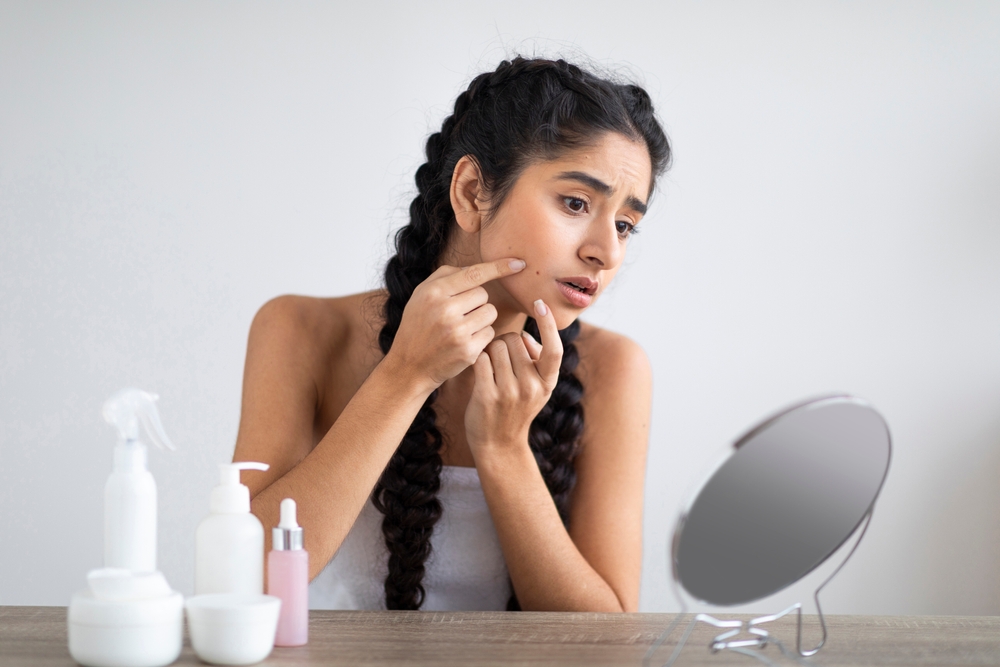
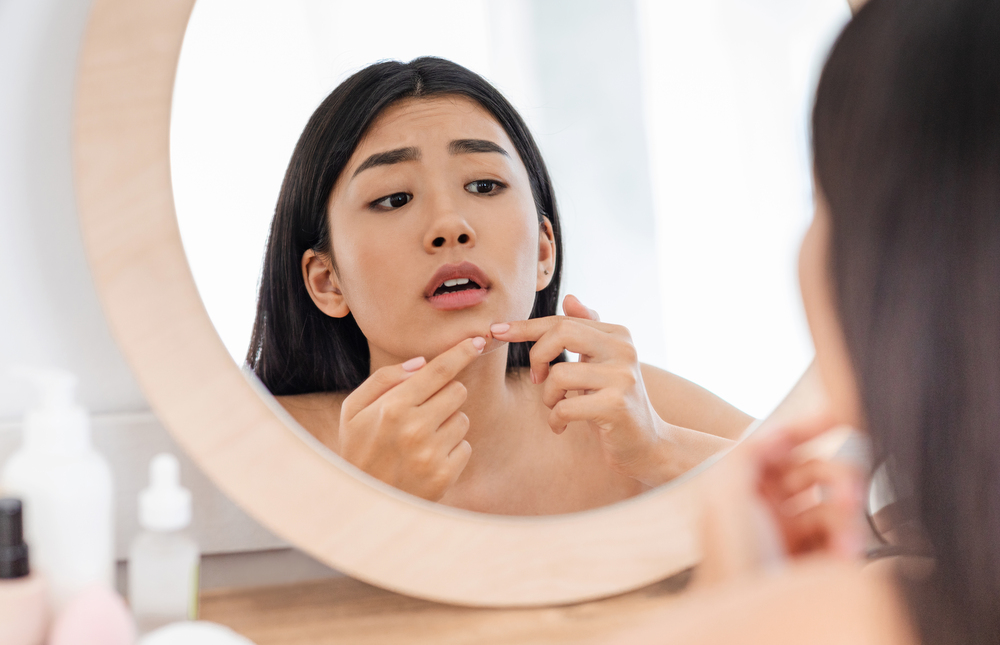
Several behaviors and conditions increase your risk of scarring. Picking or squeezing pimples is one of the worst offenders; it pushes bacteria deeper into the skin and causes more trauma. Severe inflammation from cystic acne or untreated breakouts damages deeper tissue layers. Excessive sebum production can prolong inflammation and delay healing.
Your skin type also plays a role. People with darker skin tones are more prone to dark spots due to higher melanin production, while those with oily or acne-prone skin may experience more severe scarring if inflammation isn't controlled early.
What Fades Naturally vs. What Requires Treatment
Red marks often fade naturally within 3-6 months as blood vessels return to normal. Dark spots, however, can persist for much longer and benefit from targeted brightening treatments containing ingredients like vitamin C or niacinamide. Pitted scars are permanent and usually require professional interventions; topical treatments alone are unlikely to fully smooth out indentations.
Early Intervention Is Key
The best time to prevent scarring is during the active breakout stage. Protecting the pimple from further trauma, reducing inflammation quickly, and supporting proper healing can significantly minimize the risk of lasting marks or scars. This is where pimple patches shine.
Can Pimple Patches Prevent or Treat Scarring?
Pimple patches have become a skincare staple, but can they help reduce the risk of scars? While they can’t remove existing scars, they play a valuable role in reducing the risk of post-acne marks and dark spots by promoting more balanced healing.
How Pimple Patches Act as a Protective Barrier
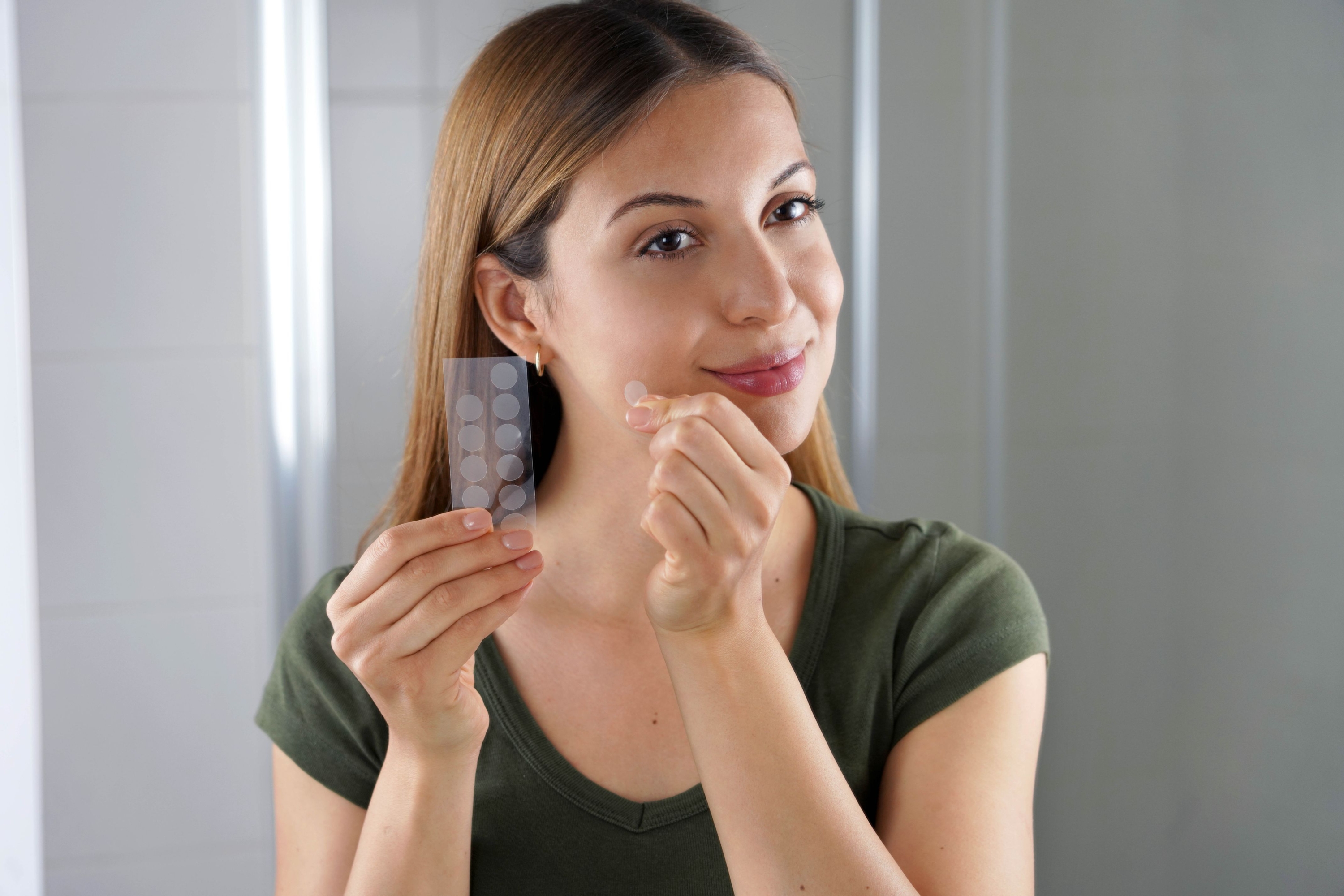
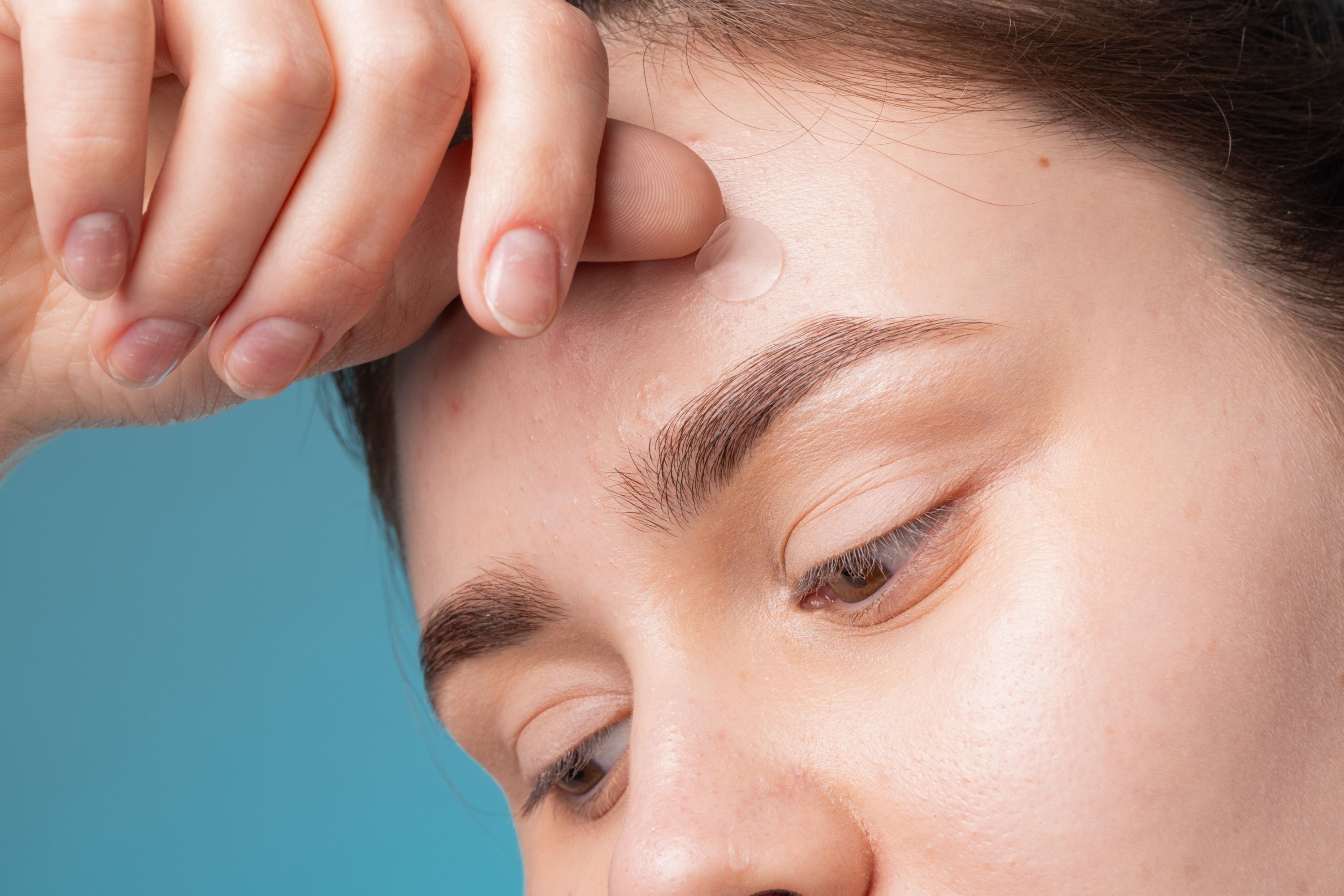
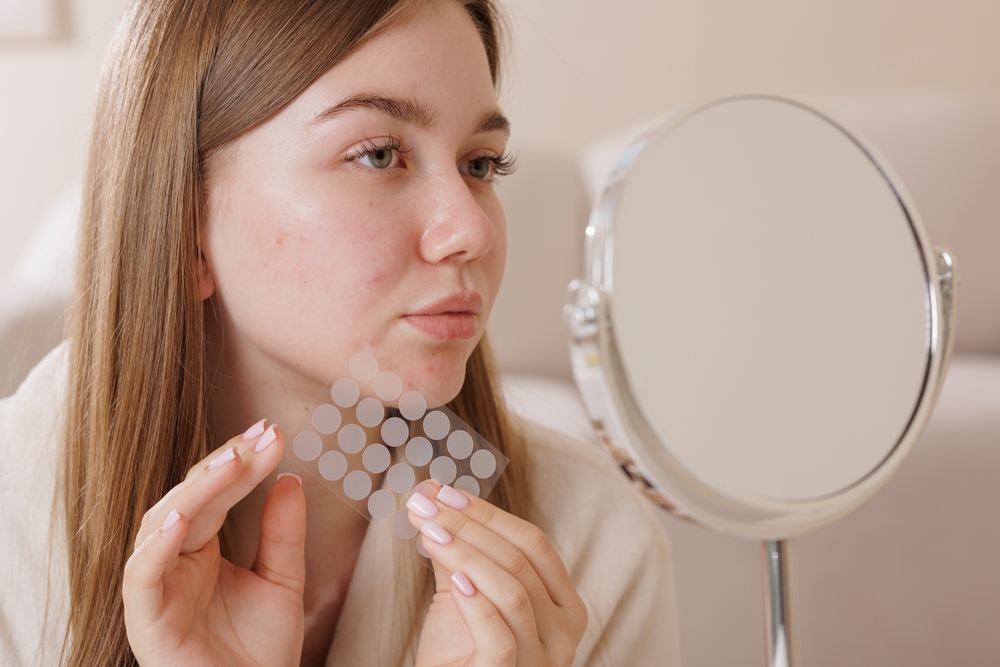
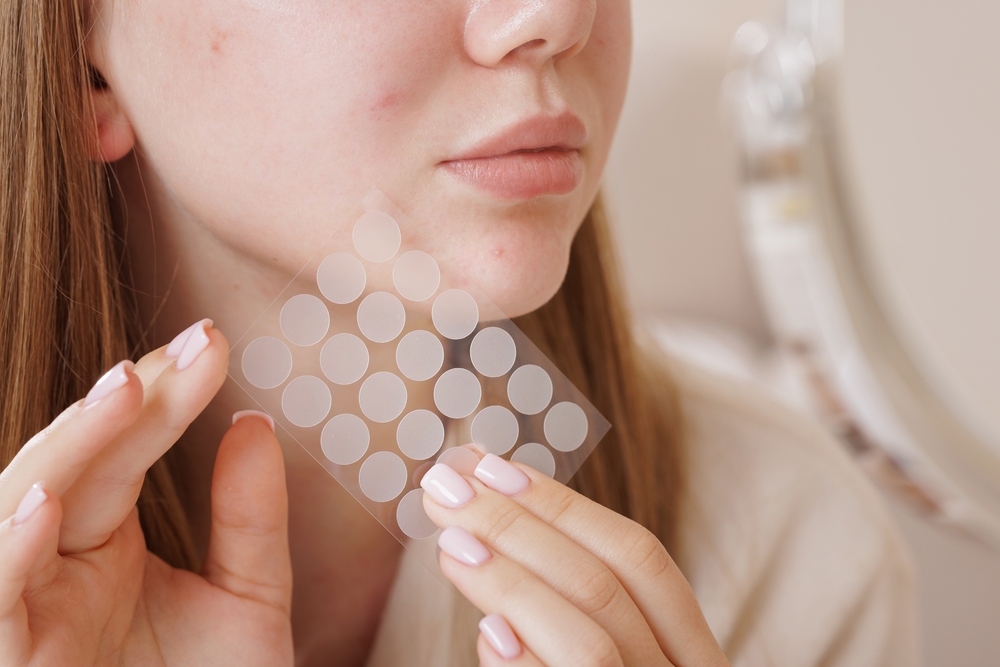
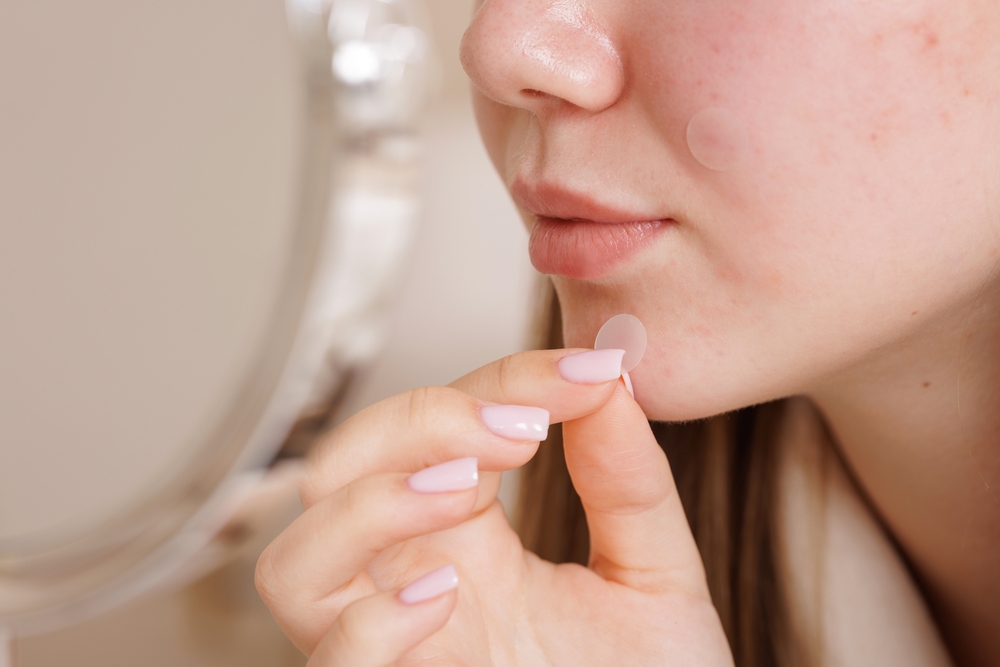
One of the biggest benefits of pimple patches is their ability to create a physical barrier over the pimple. This prevents touching, picking, or squeezing, behaviors that significantly increase the risk of scarring. The patch also shields the area from bacteria, dirt, and environmental irritants that could worsen inflammation.
By maintaining a clean, protected environment, pimple patches help support healing while reducing exposure to additional irritation or contamination. This simple barrier function alone can make a noticeable difference in preventing long-term marks.
Effectiveness in Early Stages of Pimple Healing
Pimple patches work best when applied early, ideally as soon as you notice a pimple forming. Hydrocolloid patches absorb excess fluid, pus, and oil from the breakout, which helps reduce swelling and inflammation. Reducing inflammation may help limit stress on surrounding tissue, which is associated with a lower risk of scarring.
For inflammatory acne, using a patch during the first 24-48 hours can help minimize the severity of the breakout and support faster resolution. The sooner you intervene, the better your chances of avoiding lasting marks.
Pimple Patches Don't Erase Scars, But They Can Help Prevent Marks
It's important to set realistic expectations: pimple patches cannot remove existing pitted scars or magically erase hyperpigmentation. However, they excel at reducing the chance of post-acne marks or dark spots by ensuring proper healing conditions. When combined with brightening ingredients like vitamin C or tranexamic acid, certain patches may help reduce the likelihood of dark spot formation.
If you're dealing with fresh breakouts and want to avoid the dreaded aftermath of discoloration, use pimple patches consistently. In that case, especially those formulated with brightening actives, can be a game-changer in your skincare routine.
Effective Ingredients for Treating Scars and Hyperpigmentation
While pimple patches help prevent future marks, addressing existing scars and dark spots requires targeted ingredients that brighten, heal, and support skin regeneration. Here are the most proven actives for fading post-acne discoloration.
Vitamin C: The Gold Standard for Brightening
Vitamin C is a powerful antioxidant that inhibits melanin production and helps fade dark spots over time. It also boosts collagen synthesis, which can improve overall skin texture and resilience. Regular use of vitamin C can help visibly reduce the appearance of hyperpigmentation and even out skin tone. Stop discoloration before it starts.
Tranexamic Acid: A Targeted Dark Spot Fighter
CICA: Soothing and Healing Support
CICA (Centella Asiatica) is renowned for its anti-inflammatory and wound-healing properties. It helps calm irritated skin, reduce redness, and support the repair process, making it an excellent complement to brightening ingredients. CICA is particularly useful for sensitive or reactive skin prone to post-inflammatory marks.
Niacinamide: Multi-Tasking Skin Savior
Niacinamide (vitamin B3) addresses multiple concerns at once: it reduces inflammation, regulates sebum production, strengthens the skin barrier, and visibly fades hyperpigmentation. Its gentle yet effective nature makes it suitable for all skin types, including acne-prone and sensitive skin.
How These Ingredients Complement Pimple Patches
The smartest approach combines prevention and treatment. Using a brightening pimple patch during active breakouts provides emergency prevention of dark spots by delivering brightening actives directly to the affected area while protecting it from trauma. Products like Clear Patch Brightening combine the protective benefits of hydrocolloid technology with powerful brightening ingredients, including Tranexamic Acid and CICA, to help address discoloration early in the healing process.
Once the pimple heals, follow up with ongoing targeted care to fade any remaining marks. A concentrated Post Acne Spot Lightening Serum, formulated with vitamin C, tranexamic acid, and niacinamide, can visibly reduce existing hyperpigmentation while improving overall skin clarity.
This two-step strategy ensures you're not only treating current breakouts properly but also actively working to prevent and reduce discoloration. It's a proactive approach that addresses the full lifecycle of acne, from eruption to healing and brightening, providing your skin with comprehensive support for a clearer, more even complexion.
Final Thoughts: Prevention Is Better Than Treatment
So, do pimple patches leave scars? Based on current understanding, pimple patches themselves are not considered a cause of scarring. In fact, they're one of your best tools for preventing the marks and dark spots that often follow breakouts. By protecting the skin, reducing inflammation, and, when formulated with the right ingredients, actively preventing hyperpigmentation, pimple patches help your skin heal more smoothly and clearly.
Remember, the key to avoiding scars is early intervention. Don't pick, don't squeeze, and do use protective, treatment-based solutions as soon as a pimple appears. Combine preventive care with targeted post-acne treatments, and you'll be well on your way to smoother, brighter, and more even-toned skin.
Check out our products designed specifically for dark spots. Clear Patches and Post Acne Serum offer a smarter way to prevent scars and brighten your skin.