Acne & Oily Skin
January 28, 2026
Do Pimple Patches Work on Blackheads? What You Need to Know

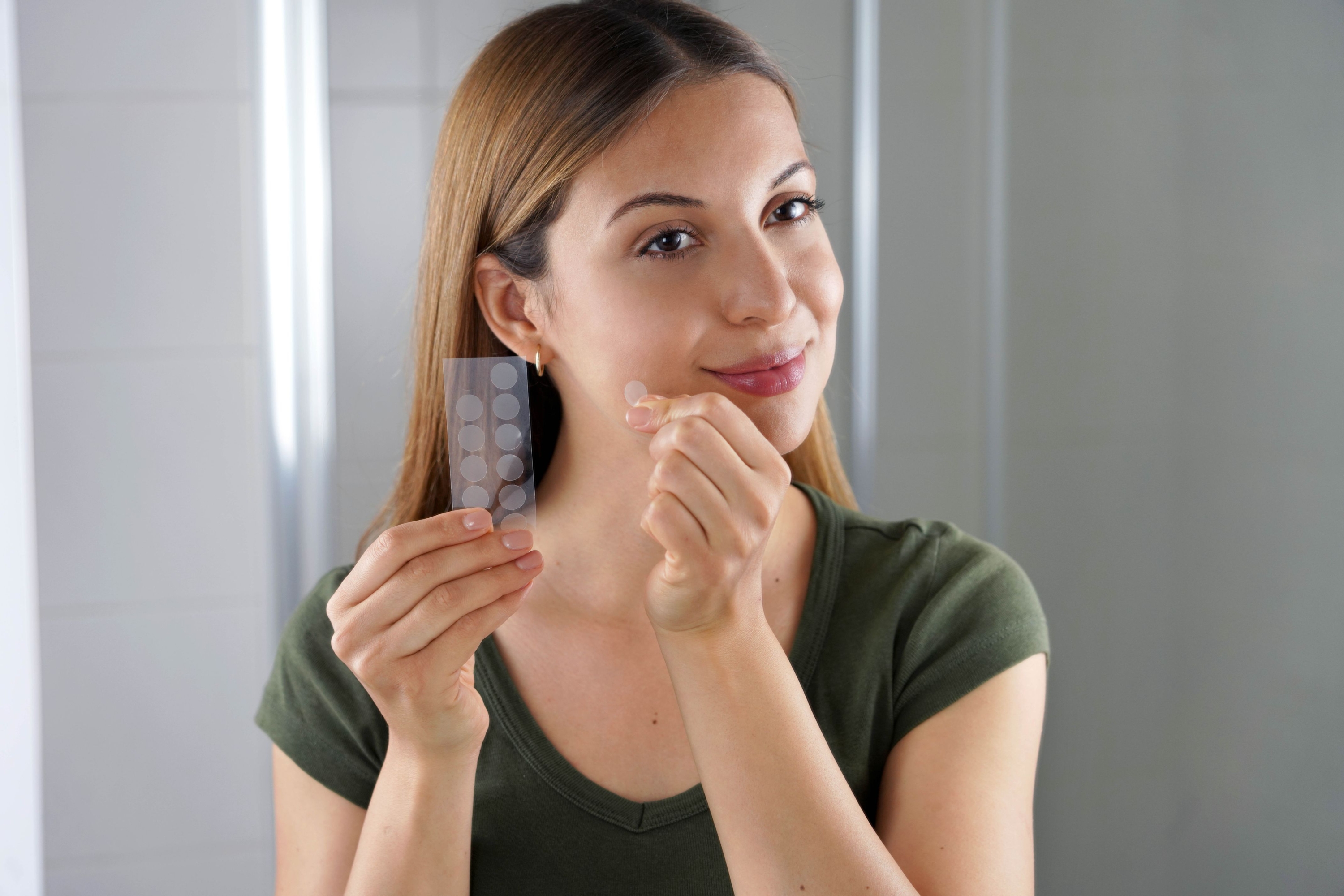
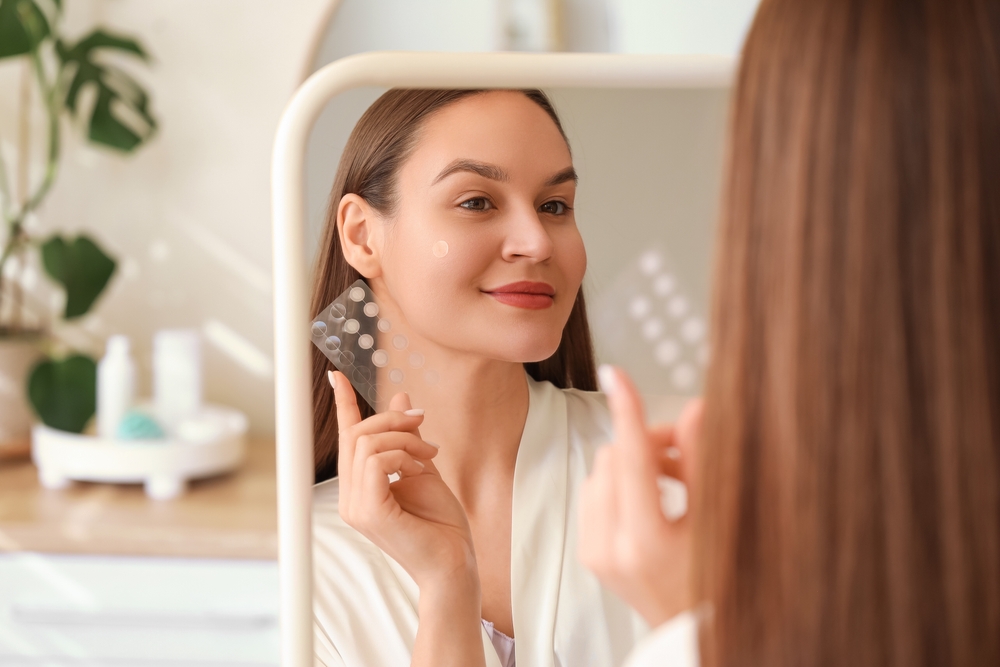
Pimple patches have become a popular go-to solution for acne emergencies, but many people wonder: do pimple patches work on blackheads? The short answer is that while pimple patches are incredibly effective for certain types of acne, blackheads require a different approach. Understanding how these patches work and what blackheads actually are will help you choose the right treatment for clearer, healthier skin.
Do Pimple Patches Work for All Types of Acne?
The acne severity may be different from person to person, and pimple patches don't work the same way for every type of blemish. To determine whether they're suitable for your skin concerns, it's essential to understand which types of acne respond best to this treatment.
Best for Inflamed Acne
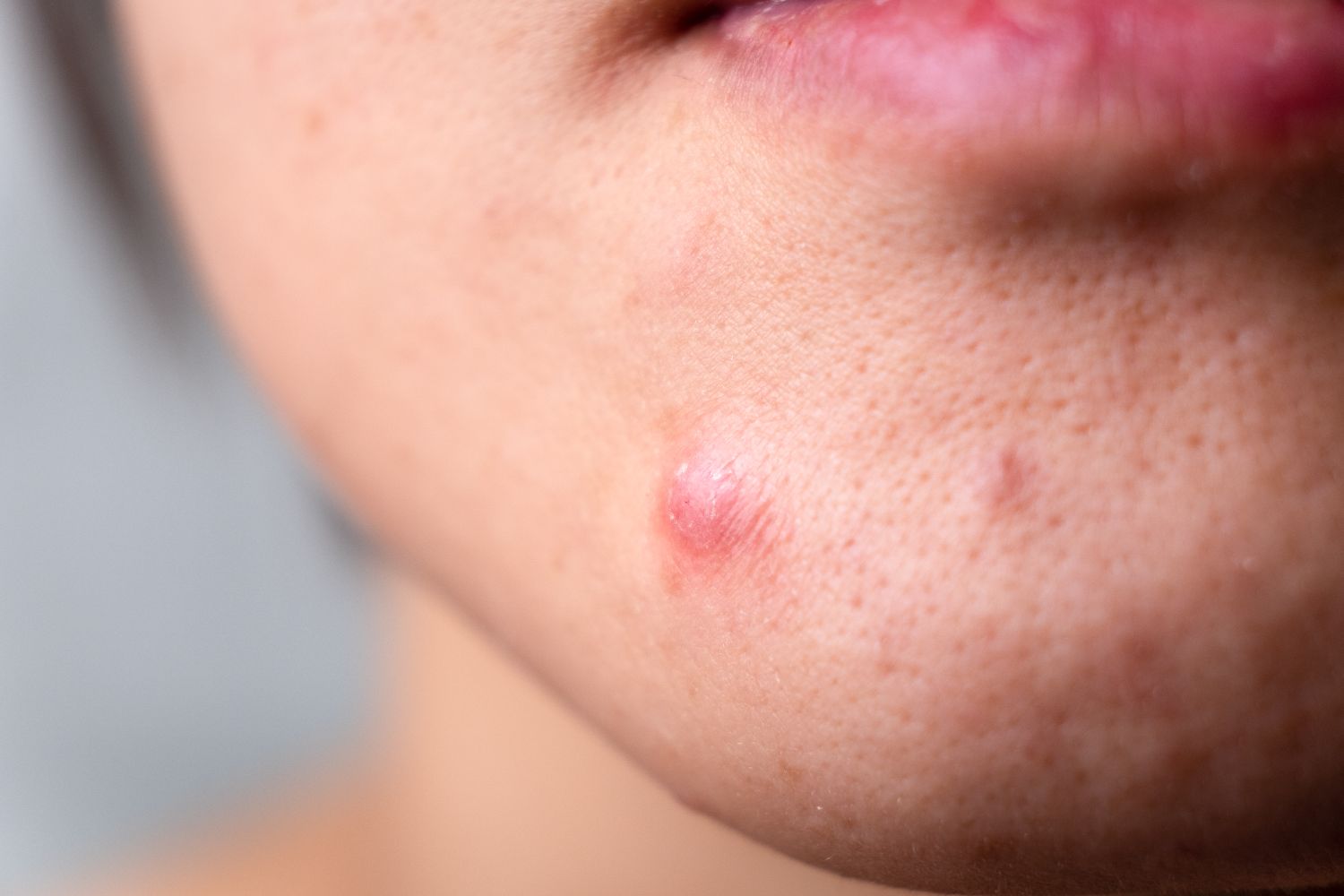
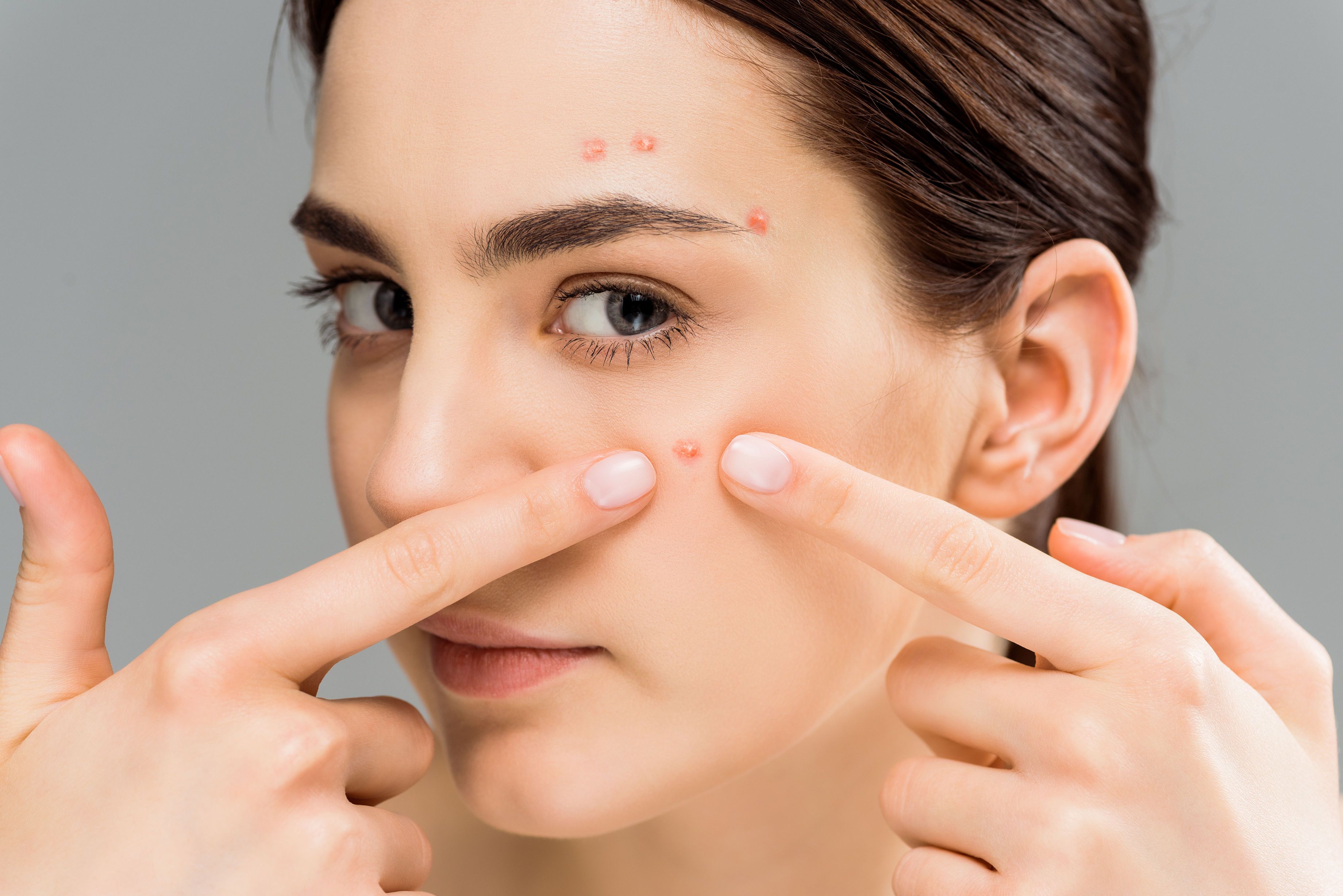
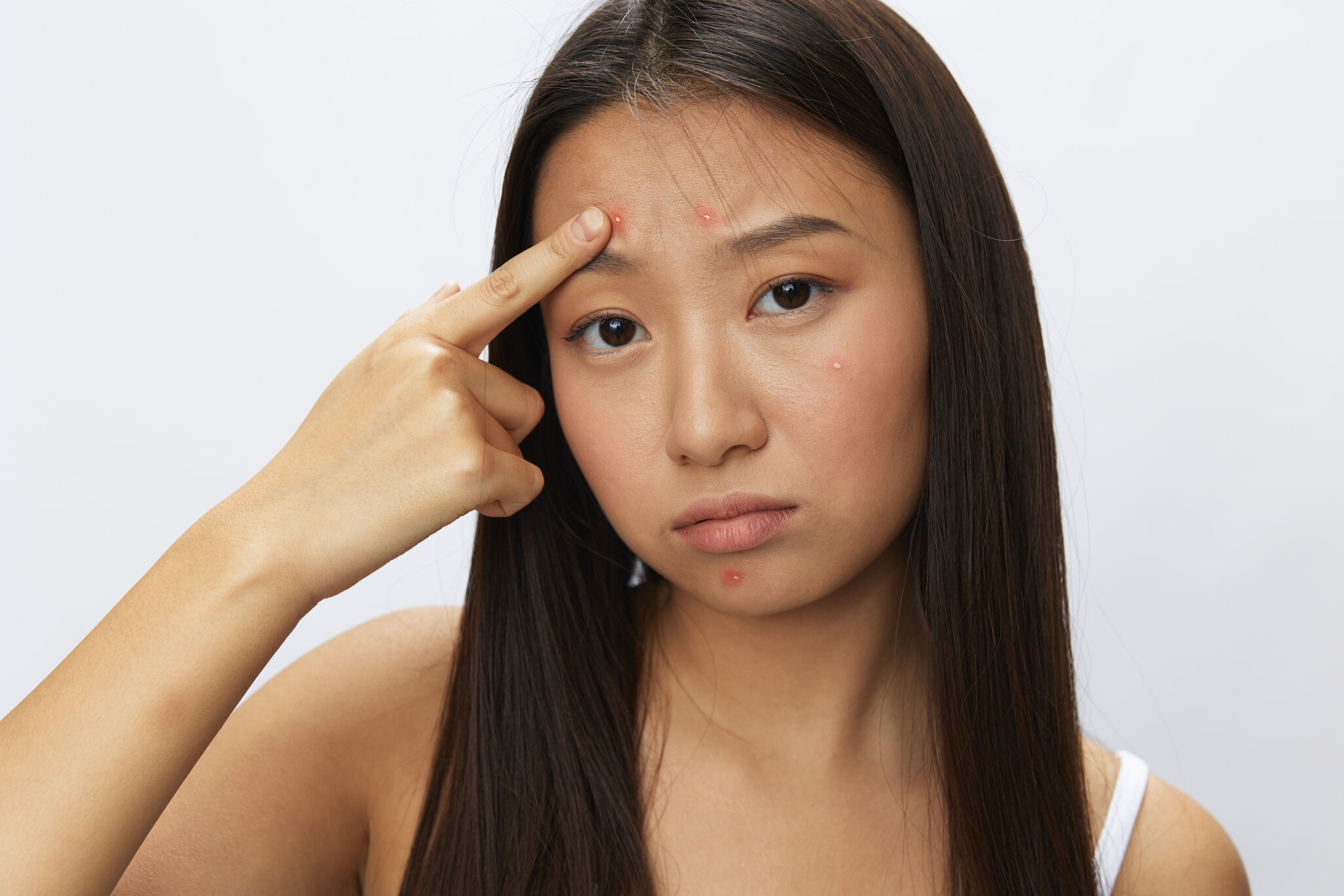
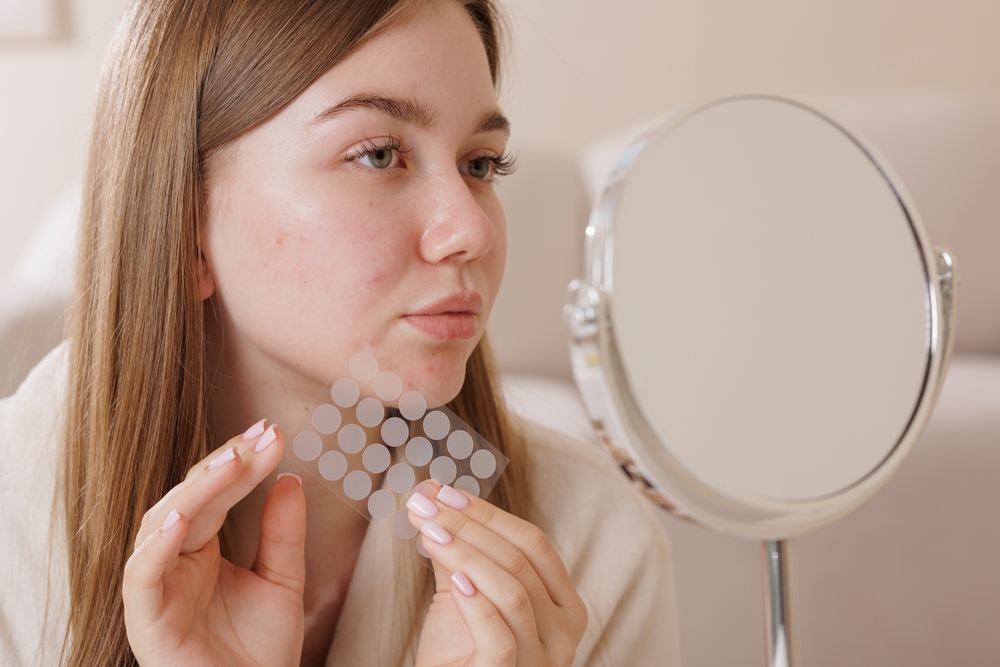
Pimple patches are designed to treat inflamed acne lesions - the red, painful bumps that contain pus or fluid. These include papules (small, raised red bumps), pustules (pimples with a white or yellow center), and even some cystic acne. The patches work by absorbing excess fluid, pus, and oil from the blemish while creating a protective barrier against bacteria and physical irritation. This absorption process not only speeds up healing but also visibly flattens the pimple, often overnight.
The hydrocolloid material in most pimple patches draws out impurities while maintaining optimal moisture levels for wound healing. This makes them particularly effective when applied to a "ripe" pimple that has come to a head, as there's fluid available to be absorbed.
Different Care for Blackheads
Blackheads and closed comedones (whiteheads beneath the skin) are fundamentally different from inflamed acne. These non-inflammatory lesions consist of hardened sebum, dead skin cells, and debris trapped within pores, but they don't contain the fluid or pus that pimple patches are designed to absorb. Since there's nothing for the patch to draw out, applying one to a blackhead won't produce the same dramatic results you'd see with an inflamed pimple.
This doesn't mean pimple patches are entirely useless for blackheads, but they're simply not the most efficient solution. Blackheads require treatments that focus on dissolving the blockage within the pore and preventing future buildup through regular exfoliation and pore care.
Why Do Pimple Patches Work for Certain Pimples?

Understanding the science behind pimple patches helps explain why they're so effective for inflammatory acne but less helpful for blackheads. The key lies in the patch's mechanism of action and what it's actually designed to do.
How Pimple Patches Work
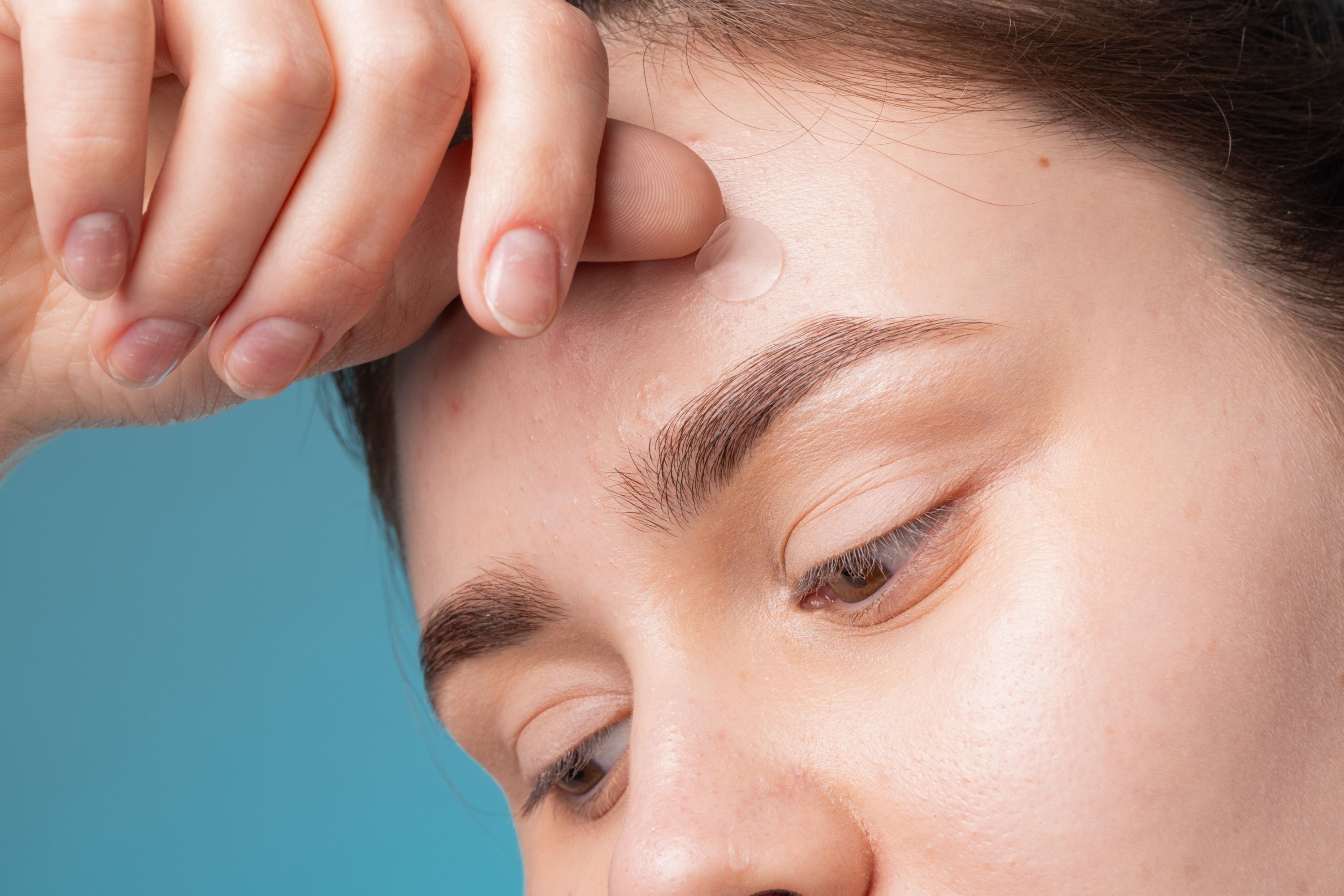
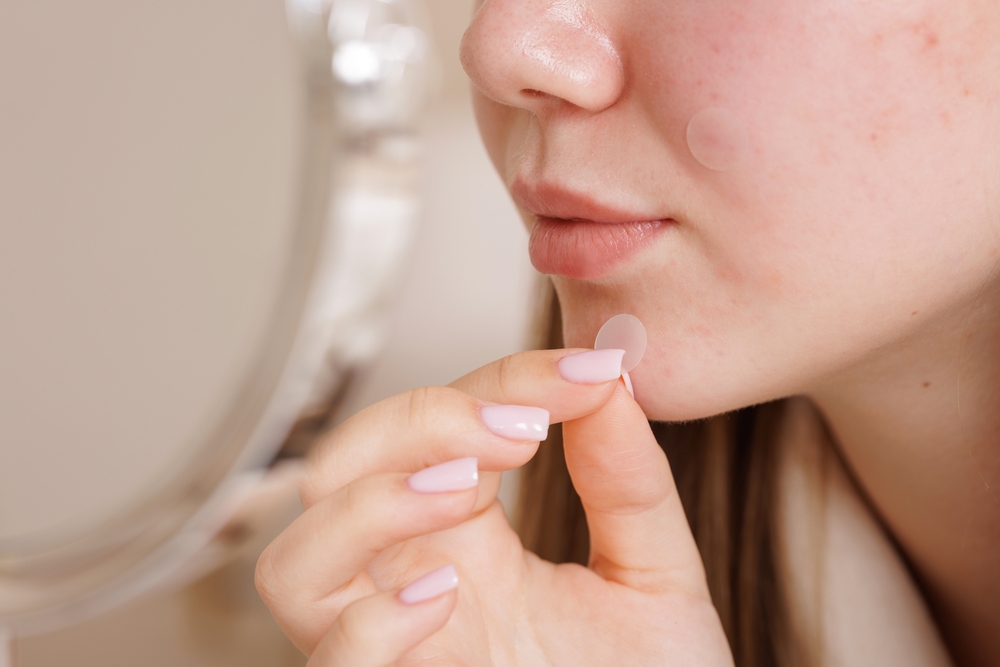
The secret behind pimple patches lies in hydrocolloid technology, originally developed for wound care. When placed over an inflamed pimple, the patch creates a sealed, moist environment that promotes faster healing. This moisture balance is crucial. It keeps the skin from drying out and forming a scab, which can lead to scarring.
Beyond absorption, pimple patches serve as a physical barrier that prevents the affected area from being touched, picked, or scratched. This protection is crucial since manipulating pimples can introduce bacteria, worsen inflammation, and greatly increase the risk of permanent scarring. The patch also shields the blemish from environmental pollutants and makeup, allowing the skin to heal undisturbed.
Effective Treatments for Blackheads and Deeper Pimples
Now that we understand why pimple patches aren't the ideal solution for blackheads, let's take a closer look at what truly works. Addressing blackheads effectively requires understanding their cause and choosing treatments that target the problem at its source.
Cause of Blackheads
Understanding blackhead formation is essential for effective treatment. These lesions develop when hair follicles become clogged with sebum (your skin's natural oil) and dead skin cells. Unlike inflammatory acne, blackheads don't involve bacterial infection or immune response, which is why they appear as small, dark spots without surrounding redness or pain.
Factors contributing to blackhead formation include excessive sebum production (often hormonal), inadequate exfoliation leading to dead skin cell buildup, use of comedogenic skincare or makeup products, and sometimes environmental factors like humidity and pollution. Because they're non-inflammatory, blackheads can persist for extended periods without resolving on their own.
Solutions for Blackheads
Clay Masks
Clay masks are excellent for blackhead-prone skin because they work like magnets to draw out impurities, excess oil, and debris from deep within pores. Ingredients like kaolin or bentonite clay gently absorb sebum without stripping the skin, making them suitable for regular use. When applied to areas with blackheads, clay masks help loosen the hardened plugs, making them easier to remove and preventing new blockages. Using a clay mask once or twice weekly can significantly improve the appearance of blackheads while refining overall skin texture.
Toner Pads
Gentle exfoliating toner pads provide a convenient daily solution for preventing blackheads. These pre-soaked pads typically contain mild chemical exfoliants that help dissolve the bonds holding dead skin cells together, promoting natural cell turnover. Regular use prevents the accumulation of debris that leads to blackhead formation. The advantage of toner pads is their ease of use - simply swipe across clean skin, making them an effortless addition to any skincare routine for maintaining clear pores.
Salicylic Acid Serum
Salicylic acid is perhaps the gold standard for blackhead treatment. This beta hydroxy acid (BHA) is oil-soluble, meaning it can penetrate through sebum to reach deep into pores. Once inside, it works to dissolve the excess oil and dead skin cells that form blackheads. Salicylic acid also has mild anti-inflammatory properties and helps regulate sebum production, addressing both existing blackheads and preventing future ones. Incorporating a salicylic acid serum into your routine provides targeted treatment that addresses the root cause of blackheads rather than just masking them.
Derma Angel offers a range of products specifically formulated for comprehensive acne and pore care, including solutions for blackhead management that work in harmony with your skin's natural processes.
Mistakes to Avoid When Treating Blackheads
Even with the right products, improper treatment techniques can set back your progress or even worsen your skin condition. Being aware of common mistakes helps you develop a safe and effective blackhead treatment routine.
Squeezing or Picking
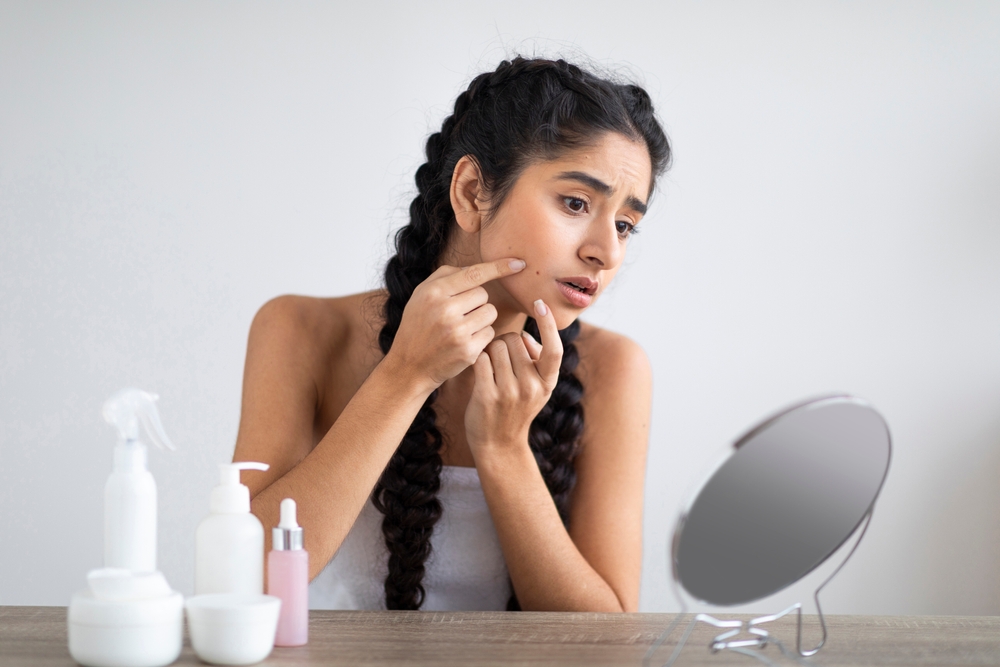
It's tempting to extract blackheads manually, but squeezing or picking at them can cause more harm than good. This practice can push bacteria and debris deeper into the skin, potentially turning a simple blackhead into an inflamed, painful pimple. Aggressive squeezing also damages surrounding tissue, leading to broken capillaries, hyperpigmentation, and even permanent scarring. If extraction is necessary, it's best performed by a licensed esthetician or dermatologist using sterile tools and proper technique.
Over-Scrubbing or Using Harsh Exfoliants
When dealing with blackheads, you might be tempted to scrub them away, but aggressive physical exfoliation damages the skin barrier and triggers increased oil production, creating a vicious cycle. Harsh scrubs with large, irregular particles can cause micro-tears in the skin, leading to irritation, inflammation, and vulnerability to infection. Over-exfoliation also compromises the skin's protective barrier, making it more sensitive and reactive. Gentle, consistent chemical exfoliation is far more effective than aggressive scrubbing.
Relying Too Much on Pore Strips
While pore strips may provide satisfying immediate results, they're only a temporary solution. These strips physically pull out the top portion of blackheads, but don't address the underlying causes of pore congestion. Frequent use can actually irritate skin and enlarge pores over time, making them more prone to future blockages. Additionally, pore strips can remove beneficial natural oils and even surface skin cells, disrupting the skin's protective barrier. They're fine for occasional use but shouldn't be your primary blackhead treatment strategy.
Lack of Patience
Effective skincare requires consistency and realistic expectations. Blackheads don't form overnight, and they won't vanish overnight either. Most effective treatments work gradually over weeks or months as your skin adjusts and completes its natural cell turnover cycle. Jumping from product to product or expecting instant results often leads to frustration and potentially over-treating your skin. Instead, establish a gentle, consistent routine with proven ingredients, and give each product at least 6-8 weeks to show results before making changes.
Achieve clear, healthy skin with our comprehensive skincare routine. Our products are designed to help keep your skin free of blackheads. We're here to support you every step of the way.