Acne & Oily Skin
January 22, 2026
From Odd to Iconic: The Evolution of Pimple Patches Since They Were Invented

The humble pimple patch has undergone a remarkable transformation, from ancient beauty secrets to modern skincare essentials that people proudly wear in public. But when were pimple patches actually invented, and how did they evolve from concealment tools to fashion statements? Let's explore the fascinating history of these tiny skin saviors.
When Were Pimple Patches Invented?
The story of pimple patches is far more ancient than you might imagine, with roots stretching back thousands of years to unexpected places.
Historical Origins of Beauty Patches
The concept of using patches to address skin imperfections has surprisingly ancient roots. The practice of applying decorative patches to the face dates back to the Roman Empire, where both men and women used various materials to conceal blemishes, scars, and other skin irregularities. These early "patches" weren't the hydrocolloid wonders we know today, but they established a precedent: using external applications to manage the appearance of problem skin.
17th Century England & Continental Europe
The golden age of beauty patches arrived in 17th-century Europe, particularly in England and France, where they became an essential fashion accessory among the aristocracy. These decorative patches, known as "mouches" (flies) in French, were cut into elaborate shapes, hearts, stars, moons, and even tiny carriages, and strategically placed on the face. While their primary function was to hide smallpox scars, syphilis marks, and blemishes, they quickly evolved into status symbols and even tools of flirtation, with different placements conveying different messages.
Made from materials like silk, velvet, or taffeta and adhered to the skin with adhesive substances, these patches represented more than mere concealment; they transformed imperfection into artistry. The wealthy would coordinate their patches with their outfits, creating a form of facial decoration that celebrated rather than hid the fact that something was being covered.
The Link to Modern Pimple Patches
Fast forward to the 1990s, and the origin of modern acne patches begins to take shape. The first iterations were remarkably simple: adhesive bandages repurposed to cover and protect blemishes. These early versions focused on basic protection, keeping the area clean, preventing picking, and creating a healing environment. However, they lacked the specialized design and active ingredients that would later revolutionize acne treatment.
The real breakthrough came when hydrocolloid technology, originally developed for wound care, was adapted for acne treatment. This innovation transformed pimple patches from simple coverings into active treatment devices that could help absorb pus and oil, reduce inflammation, and accelerate healing. By the early 2000s, Asian skincare brands had refined the technology into thin, nearly invisible patches specifically designed for acne, setting the stage for the global phenomenon we see today.
Why Were Pimple Patches Invented?
Understanding the "why" behind pimple patches reveals both timeless human desires and evolving skincare needs across different eras.
The Desire to Conceal Imperfections
Throughout history, the driving force behind beauty patches has remained consistent: the human desire to present our best face to the world. Whether it was 17th-century courtiers hiding smallpox scars or modern teenagers dealing with hormonal breakouts, the psychological impact of visible skin imperfections has always motivated innovation in concealment methods.
Historical beauty patches served a dual purpose; they simultaneously acknowledged and addressed skin problems while transforming them into opportunities for creative expression. This philosophical approach, turning a perceived flaw into a feature, would eventually resurface in modern pimple patch marketing.
Practical Use in Modern Times
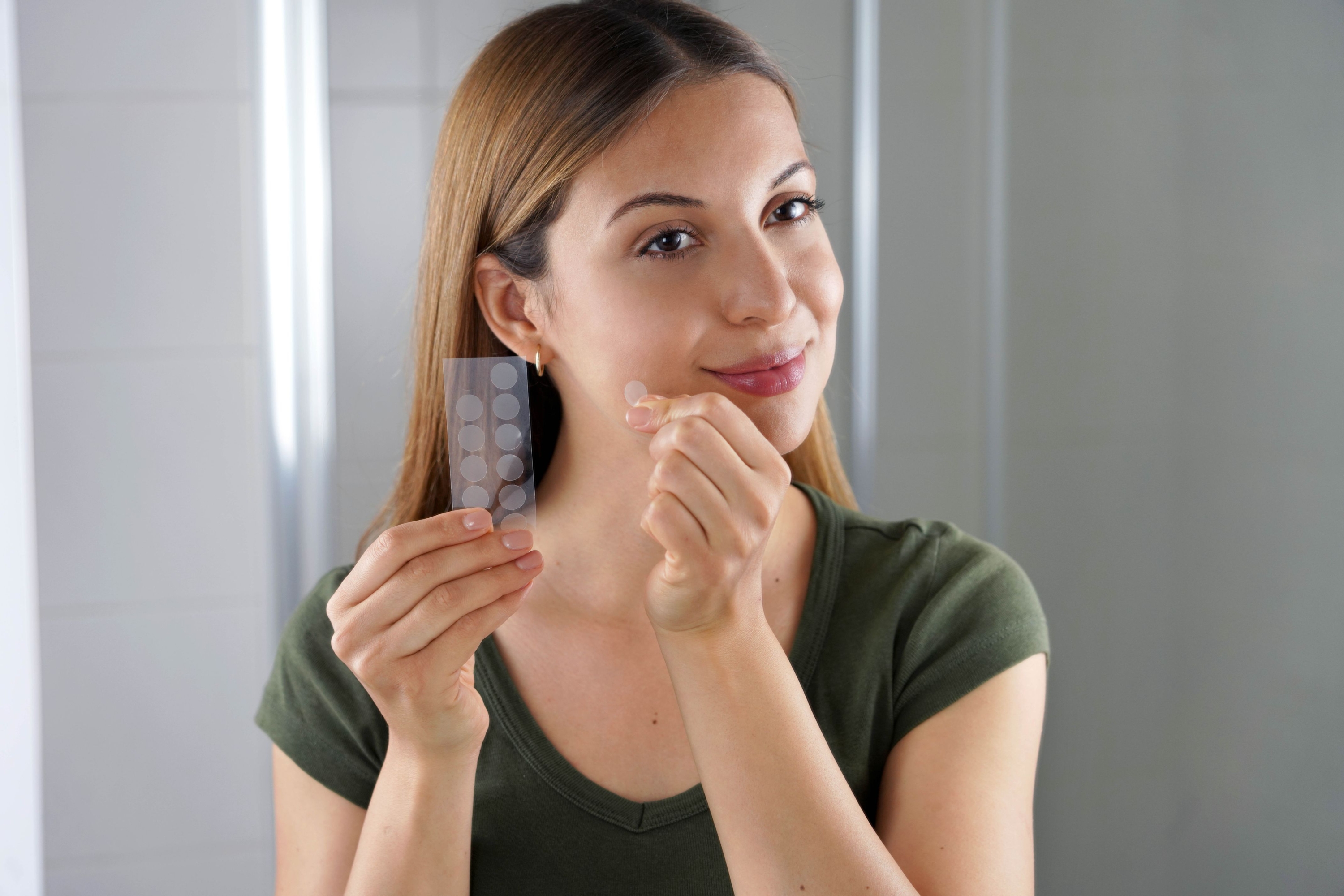
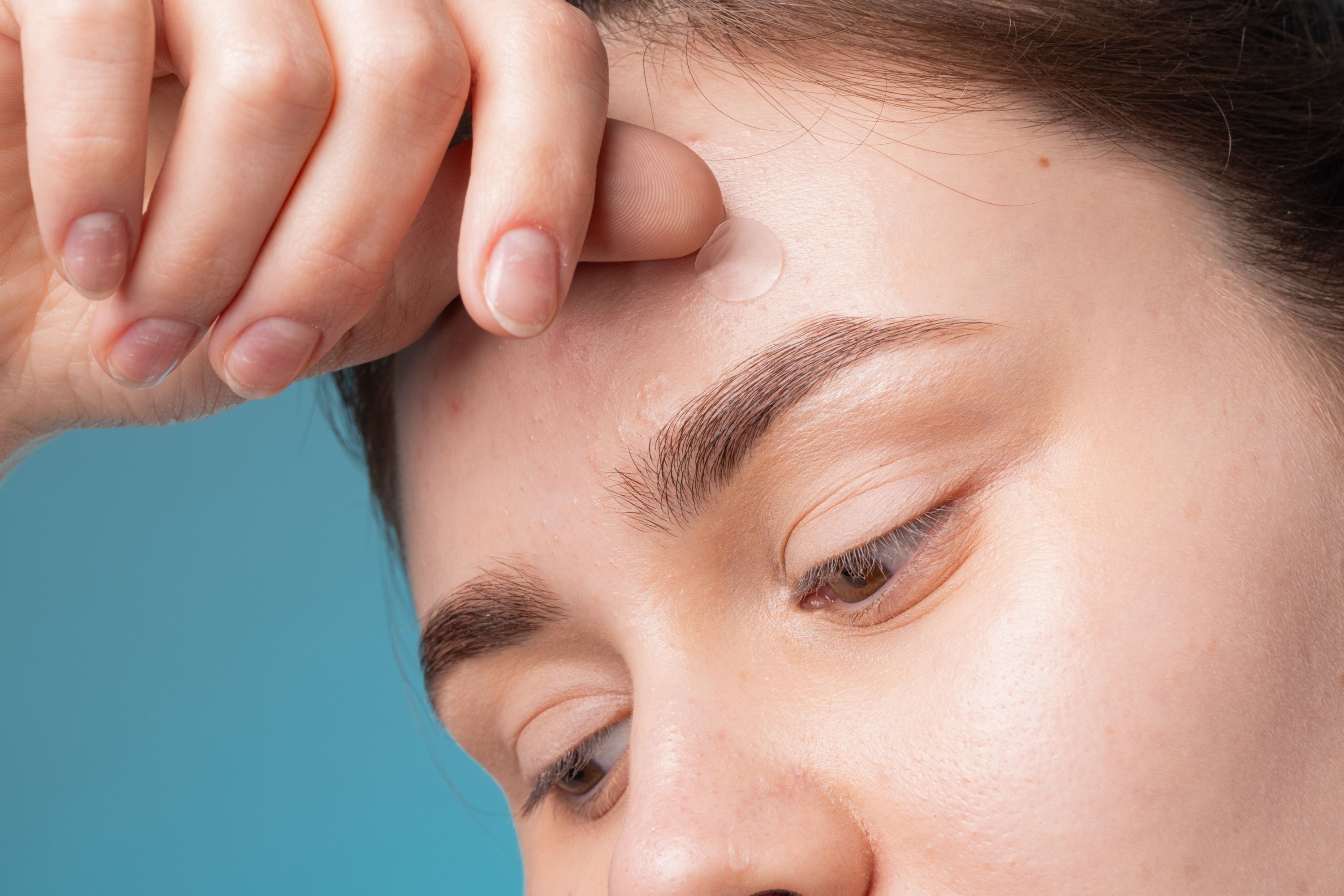
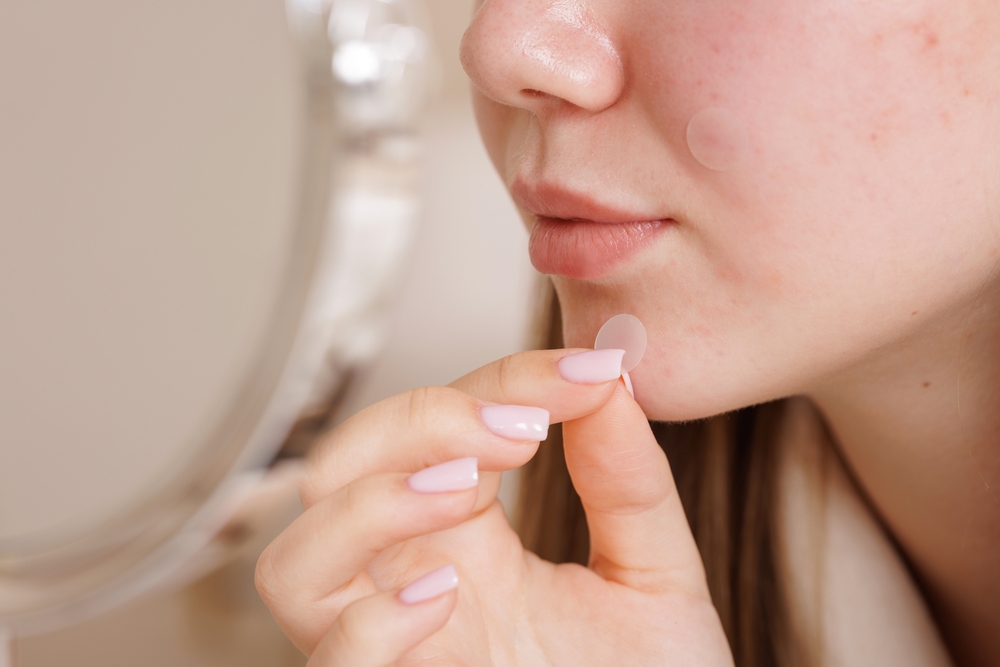
Today's pimple patches represent a quantum leap in functionality. Unlike their decorative ancestors, modern patches are engineered as discreet, skin-friendly tools that serve multiple purposes simultaneously. They create a protective barrier against bacteria and picking, absorb excess fluid and sebum, deliver active ingredients like salicylic acid or tea tree oil directly to the blemish, and reduce inflammation and redness.
The invention of these modern patches addressed a critical gap in skincare: the need for a targeted, mess-free treatment that could be worn throughout the day or night without interfering with daily activities. They transformed acne treatment from a multi-step, time-consuming ritual into a simple "stick and forget" solution, perfect for our fast-paced modern lives.
Wear Pimple Patches in Public: From Taboo to Trend

The most dramatic shift in pimple patch history isn't technological, it's cultural. The shift from hiding blemishes in shame to wearing patches as badges of honor represents a seismic change in beauty standards.
The Shift in Public Perception
Perhaps the most dramatic evolution in pimple patch history isn't technological, it's cultural. What was once a private remedy, hidden under makeup and worn only at home, has become something people confidently display in public as a badge of authenticity and self-acceptance. This shift represents a broader movement in beauty culture toward embracing imperfection and rejecting unrealistic standards.
The transformation gained momentum in the late 2010s as social media influencers began posting unfiltered content showing their real skin, pimple patches, and all. Suddenly, wearing a patch wasn't something to be ashamed of; it was a sign that you were taking care of yourself, being honest about your skin struggles, and refusing to hide behind filters and photo editing.
Fashion Statement vs. Skincare Necessity
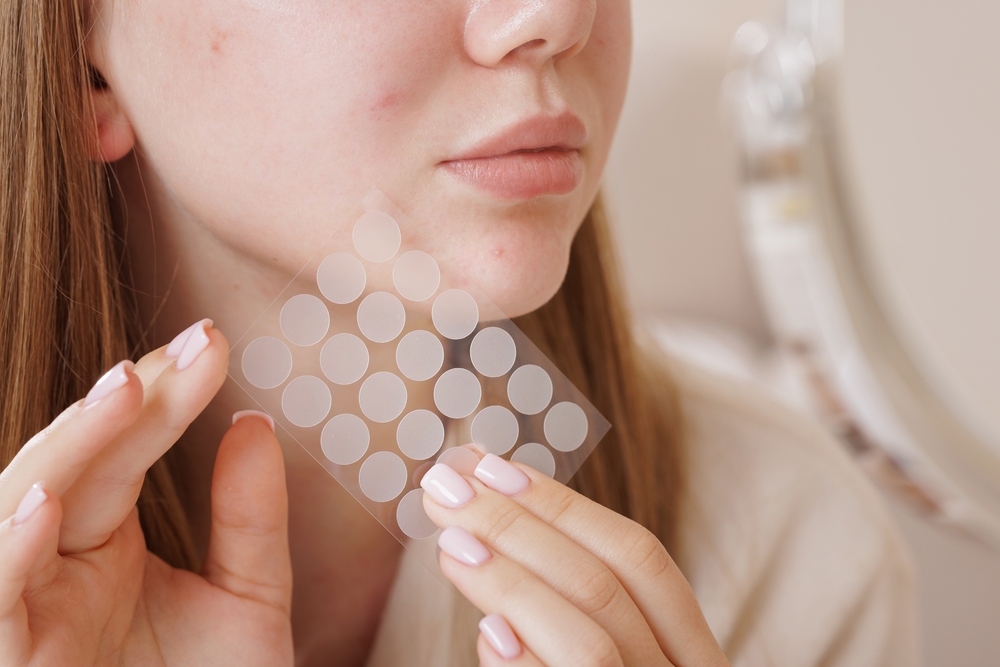
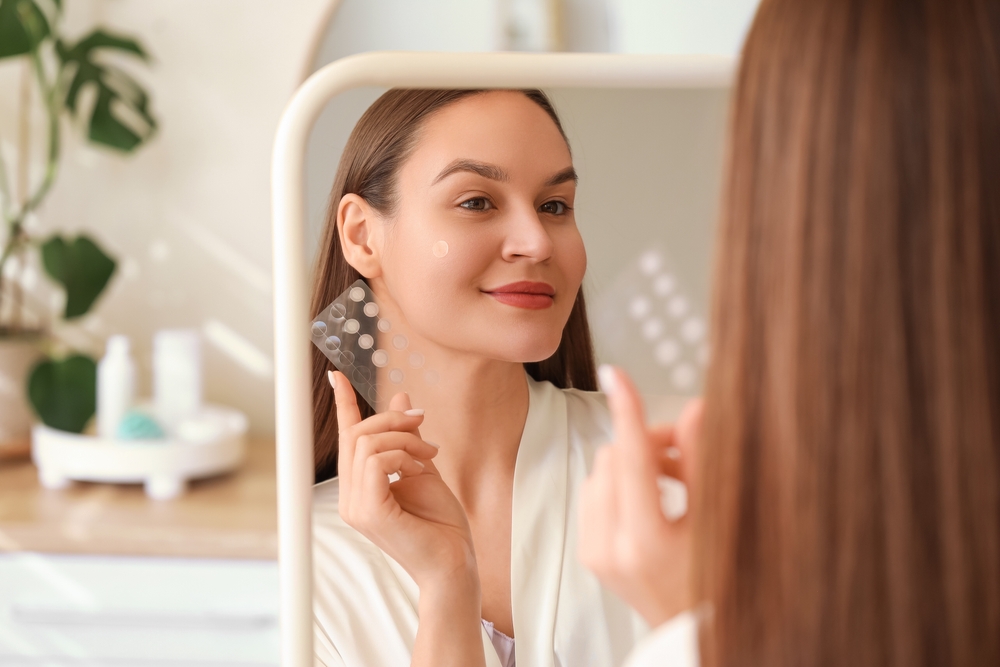
Today's pimple patches occupy a unique position as both skincare essentials and lifestyle accessories. Major brands have recognized that patches can serve dual purposes, treating acne while making a fashion statement. This has led to an explosion of creative designs, from subtle flesh-toned circles to bold, colorful patterns.
The patch you choose can now say as much about your personal style as your clothing or accessories. Are you the minimalist who prefers invisible, medical-grade patches? Or the trendsetter sporting heart-shaped sparkly patches that announce your skincare routine to the world? This duality has expanded the market beyond traditional acne sufferers to include anyone interested in skincare as self-expression.
Cultural Acceptance Across Regions
The journey toward public acceptance hasn't been uniform globally. East Asian markets, particularly those in South Korea and Japan, adopted visible pimple patches years before Western countries. In Seoul, seeing someone in a café or subway sporting pimple patches has long been completely normalized, reflecting broader cultural attitudes toward skincare as self-care rather than vanity.
Western markets took longer to warm to the trend, with public patch-wearing only gaining widespread acceptance in the past five years. However, the pandemic accelerated this shift, with masks covering much of the face and social media emphasizing authentic self-presentation, wearing patches in public became increasingly common and accepted. Today, you're just as likely to see patches on faces at Coachella as you are in a Korean beauty store.
The Evolution of Pimple Patches
From clear circles to artistic statements, pimple patches have undergone a design revolution that mirrors broader changes in how we view skincare and self-expression.
Influencer & Social Media Impact
The normalization of pimple patches owes much to influencers and social media campaigns promoting "real skin" over flawless perfection. Beauty influencers began sharing unfiltered morning routines, complete with patches, breakouts, and honest discussions about skin struggles. Hashtags like #realskin, #acnepositivity, and #skincareroutine created communities where visible acne treatment was celebrated rather than hidden.
This movement coincided with broader conversations about beauty standards, mental health, and the damaging effects of constant image curation. Pimple patches became symbolic of a larger cultural shift, choosing authenticity over airbrushed perfection, self-care over concealment.
Beyond Clear Circles
The latest frontier in pimple patch evolution is design innovation. Brands like DermaAngel are pushing boundaries with fun, printed patch designs, hearts, stars, clouds, and customizable graphics, transforming acne care into genuine self-expression. These aren't just medical devices; they're accessories that can complement your outfit, express your mood, or make a statement.
Some brands now offer patches with holographic finishes, neon colors, and even brand collaborations with fashion designers and artists. Limited edition patches tied to holidays, seasons, or pop culture moments have created a collector mentality around these products. The patches have evolved from something you'd try to hide to something you might coordinate with your earrings.
This design evolution has also expanded the user base. People who might never have considered using pimple patches now see them as fun beauty accessories that happen to treat acne. The stigma has been replaced by style, and the shame by self-expression.
Discover our newest collection of colorful and stylish pimple patches—where skincare meets self-expression. Stay tuned for the launch link!